


What is a Master Bedroom?
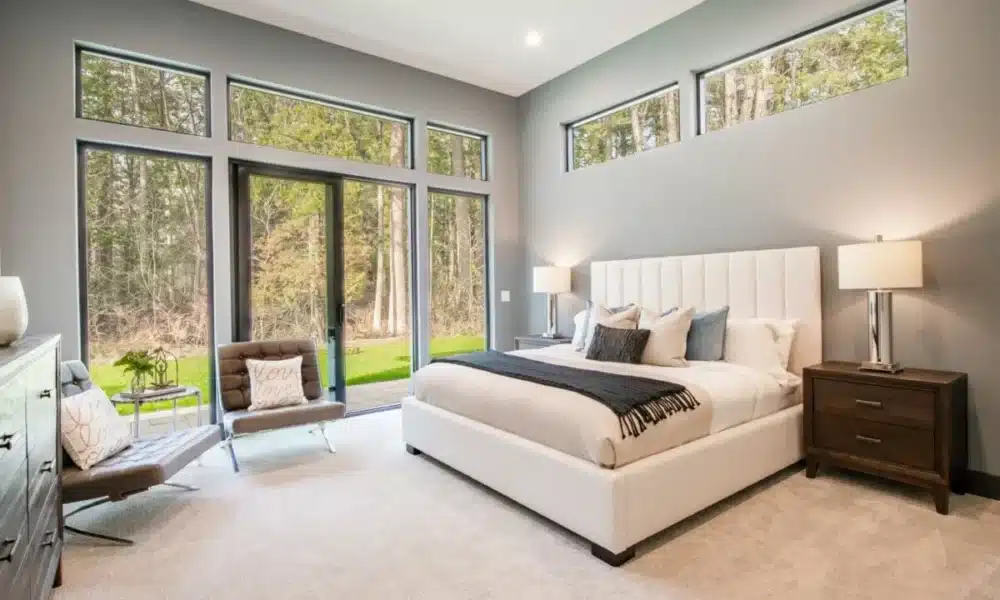
A master bedroom size is traditionally the largest bedroom in a house, specifically designed for the primary occupants. Unlike standard bedrooms, which may serve as guest rooms or children’s quarters, the master bedroom often includes features that enhance comfort and privacy. It serves not only as a sleeping space but also as a personal retreat, equipped with various amenities to ensure relaxation and convenience.
Table Of Content
- What is a Master Bedroom?
- Common Features of a Master Bedroom
- Average Master Bedroom Size: Key Statistics
- National Averages
- Variations by Home Type
- Factors Influencing Master Bedroom Size
- Geographic Location
- Home Design Trends
- Ideal Dimensions for Comfort
- Recommended Minimum Size
- Optimal Room Layouts
- Tips for Maximizing Small Master Bedrooms
- Space-Saving Furniture Choices
- Creative Storage Solutions
- Conclusion: Finding the Right Master Bedroom Size for You
- FAQs
- What is the average size of a master bedroom?
- What features should a master bedroom include?
- How can I maximize space in a small master bedroom?
- What are the minimum dimensions for a comfortable master bedroom?
- How does geographic location influence master bedroom size?
The importance of a master bedroom lies in its role as a sanctuary within the home. It is where individuals unwind after a long day, offering a private space to recharge. The design, size, and layout can significantly impact the overall comfort and functionality of the living environment.
Common Features of a Master Bedroom
Master bedrooms typically include an en-suite bathroom, walk-in closets, and ample space for larger furniture items like king-size beds, nightstands, and dressers. Additional features may include windows with views, sitting areas, or even balconies to enhance the overall experience. The layout is often designed to allow for easy movement and accessibility, promoting a sense of calm and order.
Incorporating textured wallpaper decoration can further enhance the ambiance of a master bedroom, adding depth and personality to the space. This design choice not only elevates the aesthetic but also contributes to a cozy atmosphere while showcasing the beauty of textured wallpaper decoration throughout the room.
Incorporating textured wallpaper decoration alongside carefully selected furnishings can create a cohesive look that reflects your personal style and highlights the charm of textured wallpaper decoration in every corner of the space.
With the right textured wallpaper decoration, you can easily integrate the latest design trends into your master bedroom while maintaining a timeless appeal that emphasizes the role of textured wallpaper decoration in creating a stunning atmosphere.
Choosing textured wallpaper decoration in soothing tones can promote relaxation, making it ideal for a master bedroom dedicated to rest and rejuvenation.
Furthermore, textured wallpaper decoration is relatively easy to install and can transform a space quickly. Homeowners often find that this design choice offers a significant impact with minimal effort.
Textured wallpaper decoration can also be used as an accent wall, making it a versatile choice for those looking to add character without overwhelming the room.
To create a unique atmosphere, consider experimenting with different colors and patterns in your textured wallpaper decoration. This approach not only adds depth but also allows for personal expression within the space.
In addition to the cozy atmosphere, incorporating textured wallpaper decoration can significantly elevate the visual appeal of your master bedroom. The versatility of textured wallpaper decoration allows it to complement various styles, whether modern, traditional, or eclectic. By selecting the right patterned textured wallpaper decoration, you can create a stunning focal point that draws the eye and enhances the overall aesthetic.
Other common elements might include dedicated zones for reading or relaxing, electrical outlets for devices, and design elements that reflect the homeowner’s personal style. Understanding these features is crucial when considering what constitutes an ideal master bedroom size.
Average Master Bedroom Size: Key Statistics
National Averages
The average size of a master bedroom can vary significantly based on various factors, but generally, they range from 200 to 400 square feet in newer homes. According to the National Association of Home Builders, the average size of a master bedroom in newly constructed homes is approximately 300 square feet. This size allows for necessary furnishings while still providing ample room for movement and storage.
In older homes, however, master bedrooms may be smaller, often falling between 150 and 250 square feet. This discrepancy highlights the evolution of home design and the increasing emphasis on spacious living areas in modern architecture.
Variations by Home Type
Master bedroom sizes can also vary based on the type of home. For example, larger single-family homes often feature more expansive master bedrooms compared to townhouses or condominiums. In urban areas, where space is at a premium, master bedrooms might be designed to maximize utility rather than size, leading to more compact but cleverly designed spaces.
Understanding these variations is essential for prospective homebuyers or those looking to remodel their existing spaces, as it influences both comfort and functionality.
Factors Influencing Master Bedroom Size
Geographic Location
The geographic location of a home plays a significant role in determining the size of the master bedroom. In suburban areas, where land is more abundant, larger bedrooms are common. In contrast, in densely populated cities, space constraints often lead to smaller master bedrooms. Buyers in urban settings may need to prioritize functionality and clever design over sheer size.
Additionally, cultural factors may influence room sizes. For instance, in some cultures, larger family units may necessitate bigger rooms, while in others, compact living spaces are the norm. Understanding these regional differences can help homeowners make informed decisions.
Home Design Trends
Home design trends also impact master bedroom sizes. The current trend favors open-concept living spaces, which has led to larger master bedrooms that flow seamlessly into other areas of the home. On the other hand, minimalism encourages smaller, more functional spaces that prioritize essential furnishings over excess.
Moreover, factors such as textured wallpaper decoration can influence the overall ambiance and functionality of the room, making thoughtful choices essential.
Awareness of these trends is crucial for homeowners and builders, as it helps align expectations with contemporary styles and preferences.
Ideal Dimensions for Comfort
Recommended Minimum Size
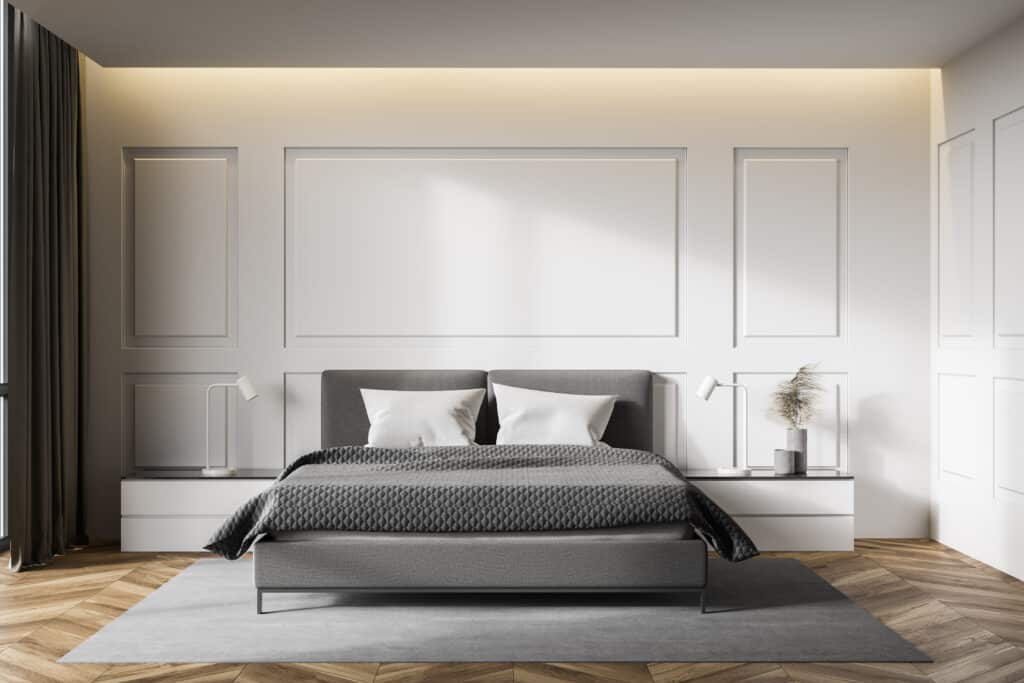
While personal preference plays a significant role, experts recommend that a master bedroom should ideally be a minimum of 200 square feet. This size allows for essential furnishings, such as a bed, bedside tables, and storage units, while still providing enough space for movement. A cramped bedroom can lead to feelings of stress and discomfort, undermining its purpose as a personal sanctuary.
For those looking to create a more luxurious experience, aiming for 300 to 400 square feet is preferable. This additional space can accommodate extra features like seating areas or larger storage solutions, enhancing the overall relaxing atmosphere of the room.
Optimal Room Layouts
A well-thought-out layout can significantly impact the functionality of a master bedroom. Ideally, the bed should be placed in a way that allows for easy access from both sides, creating a welcoming environment. Additionally, incorporating elements like reading nooks, well-positioned windows for natural light, and dedicated storage can further enhance comfort and usability.
When considering layouts, it’s essential to think about how the room will be used daily. A multi-functional space that caters to various activities can make a master bedroom feel more expansive and enjoyable.
Tips for Maximizing Small Master Bedrooms
Additionally, using a light or bright textured wallpaper decoration can help make a small master bedroom feel open and airy.
For those considering a small master bedroom, textured wallpaper decoration can create the illusion of more space, drawing the eye upward and adding dimension to the walls.
Space-Saving Furniture Choices
In small master bedrooms, selecting space-saving furniture is critical. Consider options like platform beds with built-in storage or nightstands that offer shelving. Folding furniture can also be a great choice for maximizing available space, enabling adaptability based on the time of day or specific needs.
Additionally, wall-mounted shelves can help keep the floor area clear while providing essential storage and display options. Choosing lighter-colored furniture can create an illusion of more space, making the room feel airier and less confined.
Creative Storage Solutions
Storage can be a significant issue in smaller master bedrooms. Utilizing every inch of space is crucial, so consider under-bed storage containers or ottomans that double as seating and storage. Installing hooks or pegboards on walls can help keep items organized and off surfaces, maintaining a tidy appearance.
Furthermore, incorporating vertical storage solutions, like tall bookshelves, can draw the eye upward, making the room feel larger. Thoughtful organization and strategic placement of storage solutions can transform even the smallest of master bedrooms into a functional and inviting retreat.
Finally, consider how textured wallpaper decoration can be paired with your existing decor to create a harmonious and inviting atmosphere.
In a small master bedroom, textured wallpaper decoration serves as both a decorative element and a way to enhance the perceived size of the space.
Conclusion: Finding the Right Master Bedroom Size for You
Choosing the right size for a master bedroom involves balancing personal preferences, functionality, and design trends. From understanding average sizes and features to implementing space-saving solutions in smaller areas, there are numerous factors to consider. The goal is to create a sanctuary that meets your specific needs, allowing for relaxation and comfort.
As you explore options for your master bedroom, don’t overlook the potential of textured wallpaper decoration to elevate your space significantly.
As you navigate this process, it’s essential to assess your lifestyle and how the master bedroom will fit into it. Whether you’re building a new home or remodeling your existing space, taking the time to plan and consider your options will result in a master bedroom that truly feels like your personal retreat.
Incorporating textured wallpaper decoration should be part of your overall design strategy to ensure your personal retreat is both functional and aesthetically pleasing.
FAQs
Ultimately, textured wallpaper decoration is a fantastic way to personalize your master bedroom, making it a reflection of you.
This design choice can harmonize with many elements, from furniture to decor, ensuring a well-rounded aesthetic.
Consider how textured wallpaper decoration can be utilized in various ways to enhance the comfort and style of your master bedroom.
What is the average size of a master bedroom?
Utilizing textured wallpaper decoration can amplify the character of your master bedroom, creating a space that truly feels like home.
The average master bedroom size typically ranges from 200 to 400 square feet, with newer homes averaging around 300 square feet.
What features should a master bedroom include?
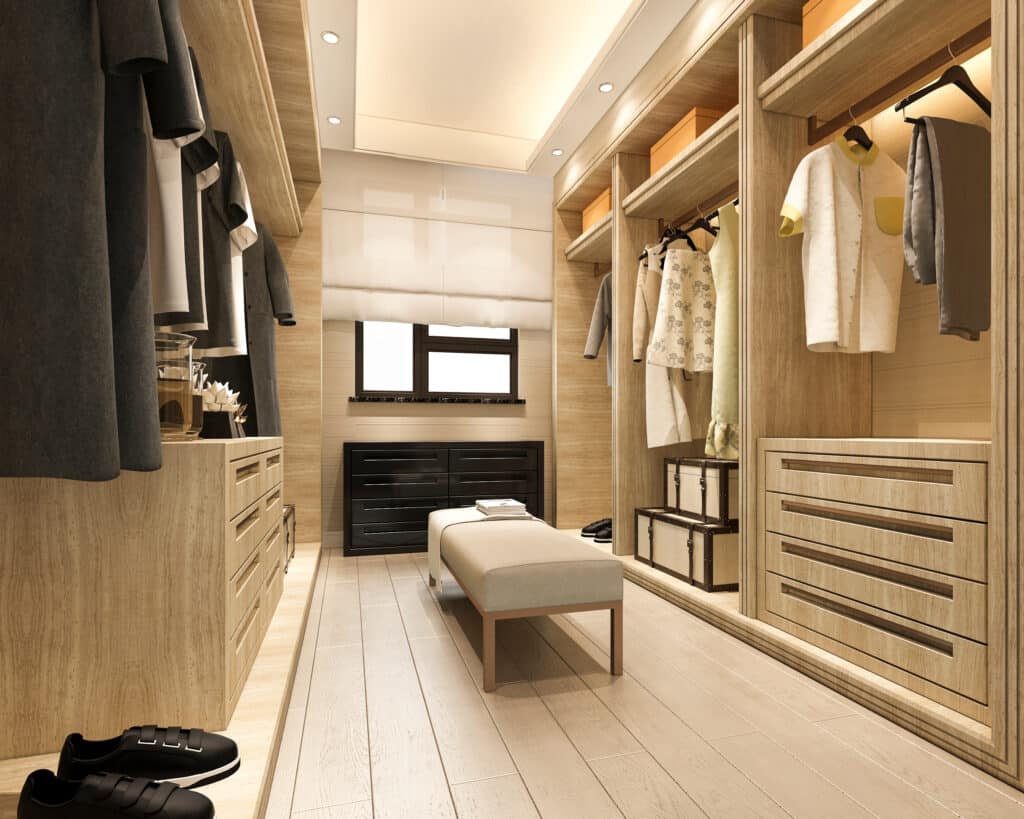
Common features of a master bedroom include an en-suite bathroom, a walk-in closet, ample space for larger furniture, and areas for relaxation or reading.
How can I maximize space in a small master bedroom?
When crafting your ideal master bedroom, textured wallpaper decoration should be a priority to ensure a unique and inviting atmosphere.
To maximize space, consider space-saving furniture, under-bed storage, wall-mounted shelves, and multi-functional pieces that serve more than one purpose.
What are the minimum dimensions for a comfortable master bedroom?
Achieving the optimal master bedroom size isn’t only about dimensions; it’s also about how elements like textured wallpaper decoration contribute to the feel of the space.
Experts recommend a minimum size of 200 square feet to ensure comfort and functionality in a master bedroom.
How does geographic location influence master bedroom size?
Geographic location affects master bedroom size due to land availability; suburban areas typically feature larger bedrooms, while urban settings often have smaller, more compact spaces.
To maximize the experience of your master bedroom, consider how textured wallpaper decoration can enhance both comfort and style.