


Table Of Content
- Outdoor Kitchen Appliances – Core Buying Criteria
- What Counts as an Outdoor Kitchen Appliance?
- Usage Scenarios and Layouts
- How to Choose Outdoor Kitchen Appliances
- Performance, Materials, and Certifications
- Comparing Popular Outdoor Kitchen Appliances
- Side-by-Side Feature Comparison
- Pros and Cons at a Glance
- How to Plan and Buy Outdoor Kitchen Appliances
- 1) Space, Safety, and Ventilation
- 2) Utility Planning
- 3) Materials and Enclosures
- 4) Budgeting and Total Cost
- Best Practices for Outdoor Kitchen Appliances
- Common Mistakes to Avoid with Outdoor Kitchen Appliances
- Outdoor Kitchen Appliances – Advanced Feature Checklist
- Featured Snippet Quick Definitions
- How to Maintain and Protect Outdoor Kitchen Appliances
- Storage, Covers, and Off-Season Tips
- Frequently Asked Questions
- What should I prioritize when buying outdoor kitchen appliances?
- Do I need 316 stainless for coastal climates?
- How big should my grill be for entertaining?
- Are pizza ovens worth it if I already have a grill?
- How do I compare outdoor kitchen appliances quickly?
- Conclusion
Selecting Outdoor Kitchen Appliances: Expert Guide
Outdoor kitchen appliances are the backbone of any great backyard cooking space, and choosing the right mix can make or break your investment. In this proven buyer’s guide, you’ll learn how to evaluate performance, materials, sizing, safety, and budget so you can select outdoor kitchen appliances that deliver long-term value and reliable results.
Whether you’re dreaming of a built-in grill with a side burner, a weather-ready fridge, or a pizza oven that steals the show, the right outdoor kitchen appliances should match your cooking style, local climate, and maintenance preferences. Below, we compare popular options, outline must-have features, and share expert selection tips to help you buy once and buy right.
Outdoor Kitchen Appliances – Core Buying Criteria
Before you fall in love with a shiny new setup, align outdoor kitchen appliances with clear criteria: performance under heat and weather, corrosion resistance, energy efficiency, safety certifications, and realistic total cost of ownership. Independent test data and third-party standards are your best friends when comparing quality. For unbiased performance insights, consult resources like Consumer Reports appliance testing and reference food-contact safety certifications such as the NSF mark.
What Counts as an Outdoor Kitchen Appliance?
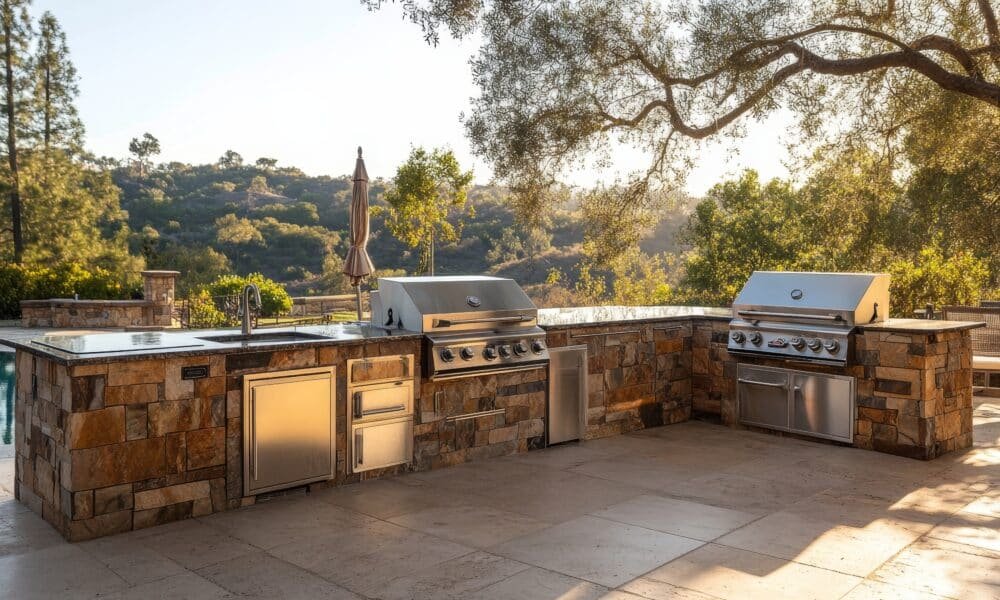
Typical categories include built-in gas or pellet grills, side burners and power burners, outdoor refrigerators and ice makers, pizza ovens, smokers, sinks and faucets, warming drawers, beverage centers, and ventilation. Each adds a distinct function. Start with the core cooktop (grill or oven), then expand thoughtfully with refrigeration, prep, and storage to keep your layout efficient.
Usage Scenarios and Layouts
Casual entertainers often prioritize a versatile grill, compact fridge, and workspace. Serious cooks may add a pizza oven, smoker, and power burner for stir-fries and stockpots. If you host large gatherings, plan multiple heating zones and ample cold storage. Meanwhile, consider proximity to the indoor kitchen, wind direction, and safe distances from structures.
How to Choose Outdoor Kitchen Appliances
Use this step-by-step framework to shortlist and compare outdoor kitchen appliances without overwhelm.
- Define your cooking goals: Grilling, smoking, baking, boiling, or all of the above?
- Measure your space: Account for appliance footprints, clearances, and safe ventilation pathways.
- Match materials to climate: Prioritize 304 or 316 stainless steel in coastal/high-humidity areas.
- Verify ratings and certifications: Look for outdoor-rated electrical components and food-safety marks.
- Plan utilities: Gas/electric lines, GFCI outlets, water/drainage, and proper ventilation.
- Set a realistic budget: Include installation, enclosures, covers, and ongoing maintenance.
Performance, Materials, and Certifications
Performance is more than BTUs or wattage. Check heat distribution, recovery time, and temperature control. For durability, prefer welded seams, double-lined lids, and stainless burners. In harsh environments, 316 stainless (marine grade) outperforms 304 against corrosion. For energy and utility planning, consult ENERGY STAR’s appliance efficiency guidance where applicable. For electrical components, verify the product is outdoor-rated and weather-sealed; understanding Ingress Protection (IP) codes helps you gauge resistance to dust and moisture.
Comparing Popular Outdoor Kitchen Appliances
Use a side-by-side comparison to weigh features, costs, and user satisfaction across outdoor kitchen appliances. This snapshot highlights common trade-offs.
Side-by-Side Feature Comparison
| Appliance | Key Features | Typical Price | Ideal For |
|---|---|---|---|
| Built-in Gas Grill | Even heat, high-temp searing, and rotisserie options | $$$–$$$$ | Every day grilling, large gatherings |
| Pellet Grill/Smoker | Precise temp control, smoke flavor, set-and-forget | $$–$$$$ | Low-and-slow BBQ, hands-off cooks |
| Pizza Oven | 850–950°F capability, stone deck, quick bakes | $$–$$$ | Artisan pizza, bread, roasted veg |
| Outdoor Refrigerator | Outdoor-rated compressor, weather sealing, lock | $$–$$$ | Cold drinks, perishables at hand |
| Power Burner | High BTU, stockpots, woks, crawfish boils | $$–$$$ | Boiling, searing in pans, stir-fries |
This comparison underscores why context matters. For instance, pizza ovens deliver blistering heat for true Neapolitan pies, while pellet grills shine for unattended smoking. Match outdoor kitchen appliances to your signature dishes and capacity needs.
Pros and Cons at a Glance
- Gas grills: Quick and convenient; may require more careful infrared/zone selection for versatility.
- Pellet grills: Superb flavor and control; need electricity and pellet supply.
- Pizza ovens: Exceptional results; learning curve and dedicated space needed.
- Outdoor fridges: Reduce trips indoors; ensure outdoor rating and efficient insulation.
- Power burners: Restaurant-level heat; demand ventilation and robust enclosures.
How to Plan and Buy Outdoor Kitchen Appliances
Follow these detailed steps to move confidently from research to installation without missing crucial details. Incorporate outdoor kitchen appliances into a cohesive, safe layout that stands up to weather and frequent use.
1) Space, Safety, and Ventilation
Measure twice. Maintain safe clearances from combustible materials, route ventilation away from seating, and use approved vent hoods for covered installations. For fire safety best practices, review guidance like the NFPA’s outdoor cooking tips and follow your local code requirements.
2) Utility Planning
Gas lines should be sized for total BTU demand with shut-off valves accessible. Electrical outlets require GFCI protection and weatherproof covers. If adding a sink or ice maker, budget for water supply, filtration, and drainage. Consequently, plan an access panel for service.
3) Materials and Enclosures
Choose weather-resilient cabinetry and enclosures (masonry, marine-grade polymer, or powder-coated aluminum). Stainless hardware, UV-stable components, and tight gasketing improve longevity. Moreover, invest in fitted covers and routine cleaning to prevent corrosion and staining.
4) Budgeting and Total Cost
Beyond sticker price, include professional installation, gas/electric work, ventilation, cabinetry, countertop fabrication, and maintenance. Many homeowners find a phased rollout helpful—start with the grill and refrigeration, then add a pizza oven or power burner later as needs evolve.
Best Practices for Outdoor Kitchen Appliances
These practices protect your investment, enhance performance, and reduce downtime for outdoor kitchen appliances.
- Prioritize weatherproofing: Use outdoor-rated appliances, sealed electronics, and proper IP protections.
- Choose the right steel: In coastal areas, favor 316 stainless for maximal corrosion resistance.
- Vent properly: Covered kitchens need hoods sized to appliance BTUs for effective capture.
- Calibrate and test: Validate temps with an accurate thermometer and adjust burners as needed.
- Protect surfaces: Use cutting boards and trivets to safeguard counters and finishes.
- Maintain proactively: Clean grates, empty grease traps, and inspect hoses, igniters, and gaskets seasonally.
Additionally, design the space around your workflow: prep zone to cook zone to plating and serving. Keep cold storage near prep, and include trash/recycling pull-outs. Outdoor kitchen appliances that support this flow save time and improve safety.
Common Mistakes to Avoid with Outdoor Kitchen Appliances
Avoid these pitfalls to keep your project on time, on budget, and high-performing.
- Underestimating ventilation: Smoke and grease linger without adequate hoods and makeup air.
- Choosing indoor-only models: Non-outdoor-rated appliances fail quickly in weather exposure.
- Ignoring climate: In marine or high-humidity zones, subpar materials corrode rapidly.
- Skipping covers and care: Even the best gear degrades without cleaning and protection.
- Overlooking service access: Ensure you can reach gas valves, igniters, and electrical panels.
For deeper context on caring for the environment surrounding your setup, see this practical guide to maintaining your patio and outdoor space. And if your upgrade is part of a larger renovation, coordinating with reputable kitchen remodeling companies in Denver, CO can streamline utility planning, permitting, and professional installation.
Outdoor Kitchen Appliances – Advanced Feature Checklist
Use this quick-hit checklist while comparing outdoor kitchen appliances at the showroom or online.
- Grills: Even heating, thick grates, reliable igniters, infrared sear zones, rotisserie kits.
- Smokers/Pellet grills: Consistent temp control, pellet efficiency, smoke profile, Wi‑Fi monitoring.
- Pizza ovens: Max temp, recovery time, stone/deck quality, insulation, fuel type.
- Refrigeration: Outdoor-rated, locking door, strong insulation, stable temps in heat.
- Power burners: BTU output, grate design for woks/stockpots, wind shielding.
- Ventilation: CFM capacity, filter type, noise level, duct routing compatibility.
Featured Snippet Quick Definitions
- Outdoor-rated: Designed and tested to withstand moisture, temperature swings, and UV exposure.
- BTU: A measure of heat output; higher isn’t always better without even distribution.
- 316 stainless: Marine-grade alloy with superior corrosion resistance vs. 304.
- IP Code: Ingress Protection rating indicating dust and water resistance levels.
How to Maintain and Protect Outdoor Kitchen Appliances
Proper care extends the lifespan of outdoor kitchen appliances and preserves warranties. After each use, burn off residue, brush grates, and wipe down surfaces. Subsequently, empty grease traps and cover appliances once cool. Seasonally, inspect gas/electrical connections, clean burners or vents, and deep-clean fridges and ice makers. Store accessories indoors during the off-season where possible.
Storage, Covers, and Off-Season Tips
Use fitted, breathable covers and avoid trapping moisture. If you experience freezing temps, winterize water lines and drain ice makers. Moreover, a light coat of food-safe oil on grates and external polish for stainless surfaces can help prevent rust and discoloration.
Frequently Asked Questions
What should I prioritize when buying outdoor kitchen appliances?
Focus on performance under real conditions, outdoor-rated construction, corrosion resistance (304/316 stainless), proper ventilation, and safe utility planning. Choose models that match your signature dishes and capacity needs, then budget for installation and maintenance.
Do I need 316 stainless for coastal climates?
While quality 304 stainless works in many regions, coastal and high-humidity environments benefit from 316 stainless for superior corrosion resistance. Regular cleaning and fitted covers further improve longevity.
How big should my grill be for entertaining?
For four to six people, 400–500 square inches of cooking area is typically sufficient. For larger groups, consider 600+ square inches or two-zone setups, plus a power burner for sides and sauces.
Are pizza ovens worth it if I already have a grill?
If you value true high-heat baking (850–950°F), fast recovery, and artisan crusts, a dedicated pizza oven excels. Some grills reach comparable temps with accessories, but true ovens offer more consistent results.
How do I compare outdoor kitchen appliances quickly?
Shortlist based on your top three dishes, then compare heat distribution, max/recovery temps, materials, and certifications. Check independent tests and credible reviews, and verify outdoor ratings before purchase.
Conclusion
Selecting outdoor kitchen appliances doesn’t have to be overwhelming. Define your cooking goals, plan utilities and ventilation, choose weather-ready materials, and verify ratings with authoritative sources. By comparing features thoughtfully and maintaining your investments, your outdoor kitchen appliances will deliver outstanding performance season after season. Ready to take the next step? Map your layout, set your budget, and start shortlisting models that fit your style and space.