
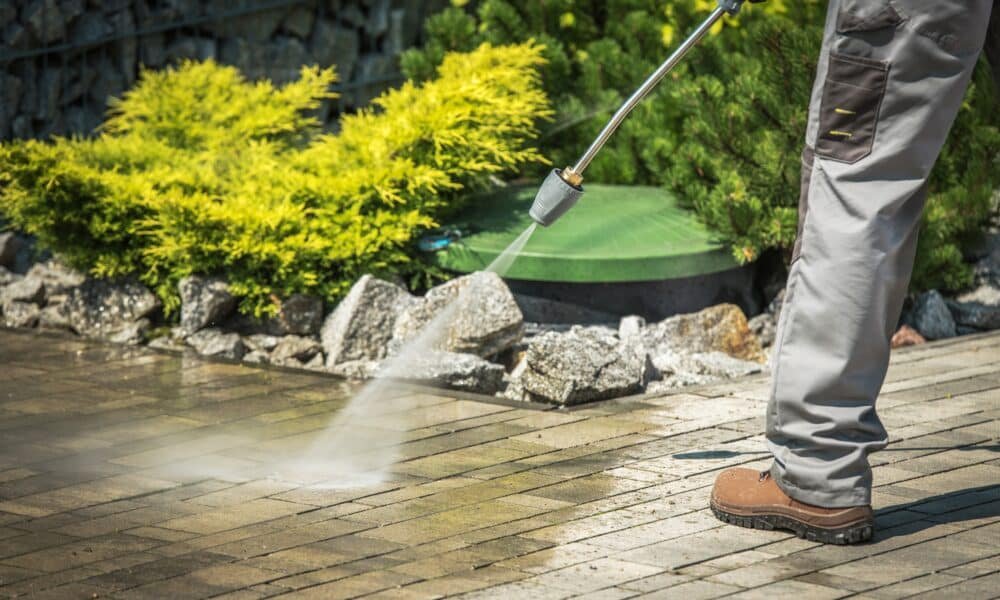
When dirt, grime, mildew, and weather stains start to take over your home exterior, one solution works like magic: pressure washing. But before calling a pro or renting a machine, most people want to know the same thing—How much does pressure washing cost? And more importantly, what impacts the final power washing cost?
Table Of Content
- Average Cost Overview
- Average Pricing
- Quick Example
- Driveway Pressure Washing
- House Exterior
- Deck or Patio
- Roof Cleaning
- Gutters
- Surface Size
- Type of Surface
- Water Source
- Stain Severity
- Accessibility
- DIY Cost Breakdown
- Equipment Rental
- Materials
- Estimated DIY total: $55–$150
- Professional Benefits
- Pressure Washing Cost Table
- Electric Models
- Gas Models
- Highest Recommendation
- 1. What is the average pressure washing cost for a home?
- 2. How much does power washing cost per square foot?
- 3. Is professional pressure washing worth it?
- 4. How much does pressure washing a driveway cost?
- 5. Can pressure washing damage surfaces?
- 6. Does pressure washing remove mold and mildew?
- 7. Should I pressure wash before painting?
This guide breaks everything down into simple, friendly, easy-to-understand sections so you can budget with confidence. Whether you’re refreshing your siding, restoring your deck, or comparing pressure washing driveway cost, you’ll get the full picture of real-world prices, labor fees, materials, and the price per square foot professionals typically charge.
Let’s dive into the real numbers.
What Is the Average Pressure Washing Cost?
The pressure washing cost for homeowners in 2025 typically runs between $150 and $450, depending on the size and type of project. Small residential jobs may be at the lower end of the price spectrum, while entire-house washes, commercial spaces, or heavily soiled surfaces land on the higher end.
Average Cost Overview
-
National average cost: $280
-
Price range: $150–$450
-
High-end large projects: $900+
-
Low-end small jobs: $80–$100
Professionals base their pricing on several factors, but the most common is price per square foot, which helps homeowners understand true value.
Pressure Washing Rates Per Square Foot
Knowing the price per square foot helps you estimate your cost to pressure wash before getting quotes.
Average Pricing
-
Low: $0.15 per sq. ft.
-
Average: $0.30 per sq. ft.
-
High: $0.60 per sq. ft.
Quick Example
If your driveway is 800 sq. ft. and the pro charges $0.30 per sq. ft., your pressure washing driveway cost is:
800 sq. ft. × $0.30 = $240
Rates fluctuate depending on surface material, level of grime, equipment, and whether chemicals are required.
Pressure Washing Cost by Project Type
Different surfaces require different techniques, PSI levels, and sometimes detergents. Here’s a clean breakdown.
Driveway Pressure Washing
-
Average cost: $120–$350
-
Price per sq. ft.: $0.20–$0.40
Driveways are one of the most common projects. The typical pressure washing driveway cost depends on the condition of your asphalt or concrete. Oil stains, rust, and mildew can increase the price.
House Exterior
-
Average cost: $250–$750
-
Price per sq. ft.: $0.25–$0.60
Vinyl siding is the easiest and most affordable to clean. Stucco and brick typically cost more.
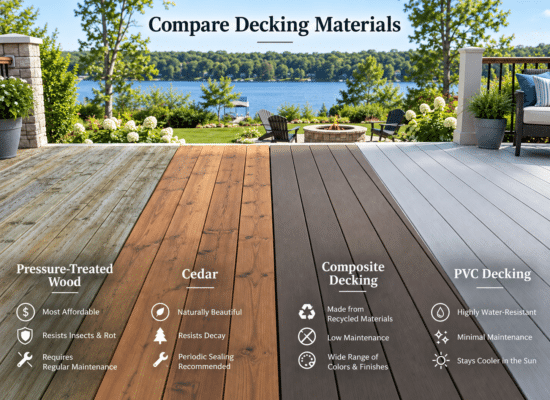
Deck or Patio
-
Average cost: $100–$350
-
Price per sq. ft.: $0.20–$0.50
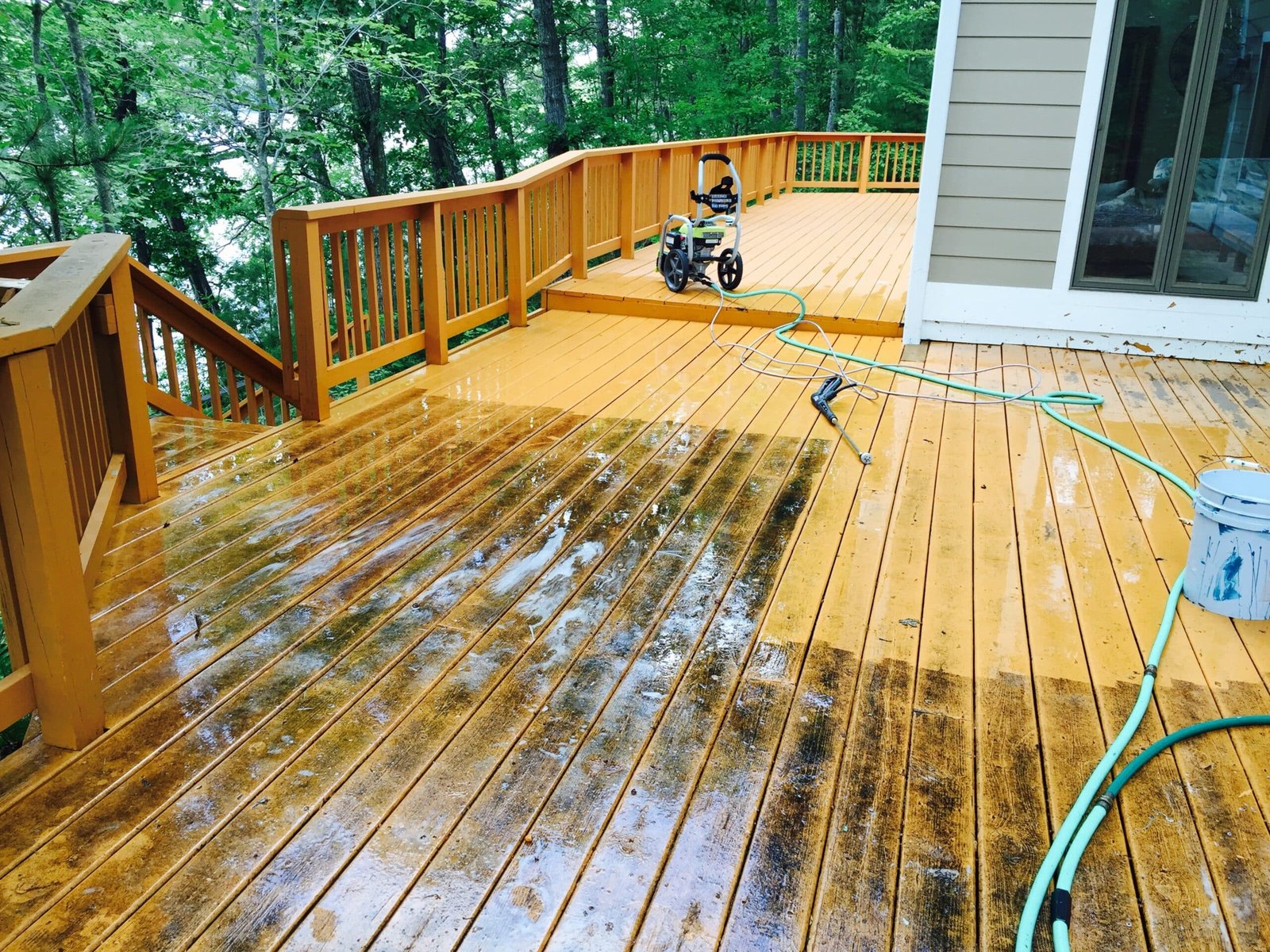
Wood decks require lower PSI and soft washing techniques.
Roof Cleaning
-
Average cost: $250–$600
-
Price per sq. ft.: $0.15–$0.35
Roofs are almost always soft-washed to prevent shingle damage.
Gutters
-
Average cost: $70–$200
Gutters often require hand removal of debris before pressure cleaning.
What Affects Pressure Washing Cost?
Several key variables influence the final bill.
Surface Size
The larger the area, the higher the pressure washing cost. Most pros charge per square foot.
Type of Surface
Concrete is cheaper. Stucco, wood, and roofs cost more.
Water Source
If a contractor must bring their own water supply, your power washing cost increases.
Stain Severity
Oil, rust, mold, and moss often require chemicals, raising pressure washing rates.
Accessibility
Multi-story homes add time and safety equipment expenses.
Cost to Pressure Wash Yourself vs Hiring a Professional
Some homeowners choose the DIY route to save money, but is it worth it?
DIY Cost Breakdown
Equipment Rental
-
Basic machine: $45–$80 per day
-
Heavy-duty machine: $85–$120 per day
Materials
-
Detergent: $10–$30
-
Fuel (gas units): $5–$15
Estimated DIY total: $55–$150
However, the learning curve can be steep. Using too much PSI can destroy paint, gouge wood, and even crack surfaces. That’s why many homeowners balance DIY savings with risk.
Professional Benefits
-
Correct PSI for each material
-
Faster completion
-
Lower chance of damaging surfaces
-
Commercial equipment cleans deeper
When comparing DIY vs professional work, consider long-term repair risks.
Full Labor & Material Cost Table
Here’s a clean, visual breakdown to help you compare the cost to pressure wash.
Pressure Washing Cost Table
| Service | Labor Cost | Material Cost | Total Estimated Cost |
|---|---|---|---|
| Driveway (600–800 sq. ft.) | $120–$220 | $10–$20 | $140–$240 |
| House Siding (1,500–2,000 sq. ft.) | $220–$420 | $15–$40 | $250–$460 |
| Deck (300–500 sq. ft.) | $80–$200 | $10–$20 | $100–$220 |
| Roof (1,000–1,500 sq. ft.) | $200–$350 | $10–$30 | $250–$380 |
| Patio | $100–$180 | $10–$15 | $110–$195 |
Best Pressure Washer Models (With Prices)
If you’re considering DIY, here are the best-rated machines on the market.
Electric Models
| Model | PSI | Price |
|---|---|---|
| Sun Joe SPX3000 | 2030 PSI | $169 |
| Greenworks Pro | 2300 PSI | $299 |
| Ryobi 2000 PSI Electric | 2000 PSI | $259 |
Gas Models
| Model | PSI | Price |
|---|---|---|
| Simpson MSH3125 | 3200 PSI | $429 |
| DeWalt 3400 PSI | 3400 PSI | $499 |
| Generac 3100 PSI | 3100 PSI | $399 |
Highest Recommendation
💡 Best value: Sun Joe SPX3000 — powerful, affordable, reliable, and beginner-friendly.
How Many Times Should You Pressure Wash Per Year?
Most professionals recommend:
-
House exterior: Once every 12–18 months
-
Driveway: Once a year
-
Deck or patio: Once every 1–2 years
-
Roof: Every 2–3 years
Regular washing improves curb appeal, removes allergens, prevents costly repairs, and extends surface life.
Final Breakdown — What Is the True Pressure Washing Cost?
By now, you’ve seen how deeply the pressure washing cost depends on the surface area, materials, level of grime, and whether you’re hiring a pro or doing it yourself. Most homeowners pay between $150 and $450, with the average cost around $280.
Whether you’re comparing power washing cost, shopping for good pressure washing rates, or budgeting your next project, you now have the numbers to make an informed decision.
Conclusion
Pressure washing is one of the fastest and most affordable ways to revive your home. With clear price per square foot guidelines, examples of pressure washing driveway cost, and full tables on materials and labor, you can confidently estimate your upcoming project.
If you prioritize quality, safety, and long-term results, hiring a professional is usually the better value. But if you want the most budget-friendly option and enjoy DIY work, choosing a reliable machine like the Sun Joe SPX3000 is the best choice.
No matter what, understanding the full picture of your pressure washing cost ensures you get the clean, fresh look your home deserves.
FAQs
1. What is the average pressure washing cost for a home?
Between $150 and $450, depending on size and condition.
2. How much does power washing cost per square foot?
Most pros charge $0.15–$0.60 per sq. ft., depending on the surface and difficulty.
3. Is professional pressure washing worth it?
Yes — pros avoid damage and deliver a deeper, uniform clean.
4. How much does pressure washing a driveway cost?
Usually $120–$350, depending on square footage and stains.
5. Can pressure washing damage surfaces?
Yes, incorrect PSI can crack siding or gouge wood. Professionals minimize risk.
6. Does pressure washing remove mold and mildew?
Absolutely — heat, detergents, and high PSI remove organic growth effectively.
7. Should I pressure wash before painting?
Yes, it helps paint adhere better and increases long-term durability.