



Table Of Content
- Shiplap Costs Per Square Foot: What Drives the Price
- Material Types and Their Impact on Shiplap Costs Per Square Foot
- Prefinished vs. Unfinished Boards
- Board Dimensions, Profiles, and Style
- Average Shiplap Costs Per Square Foot: National and Regional Picture
- DIY vs. Professional Installation: Cost Ranges
- Regional Differences and Labor Trends
- How to Estimate Shiplap Costs Per Square Foot Accurately
- Step-by-Step Estimating Workflow
- Quick Cost Snapshot (Featured Snippet-Friendly)
- Shiplap vs. Drywall: Cost and Value Considerations
- Installed Cost and Maintenance
- Aesthetic Payoff and Resale
- Best Practices for Reducing Shiplap Costs Per Square Foot
- Common Mistakes to Avoid with Shiplap Costs Per Square Foot
- Frequently Asked Questions
- What is a good budget range for shiplap costs per square foot?
- Is MDF shiplap durable enough for busy spaces?
- How can I lower shiplap costs per square foot without losing quality?
- Can I install shiplap over existing drywall?
- What rooms benefit most from shiplap?
- Conclusion
Shiplap Costs Per Square Foot: Real-World Installation Costs Explained
Shiplap costs per square foot is the number homeowners ask first, and for good reason. A timeless look can still fit a modern budget—if you know how material choices, labor, and prep work affect the bottom line. This guide breaks down real prices, regional differences, DIY versus pro expenses, and smart ways to save in 2026.
Before you pick a board, it pays to understand how pricing really works. We’ll compare materials like pine, MDF, and PVC, explain installation variables, and show you how to estimate a wall precisely—so your shiplap project lands on time and on budget.
Shiplap Costs Per Square Foot: What Drives the Price
Several levers influence shiplap costs per square foot, including material type, finish, board dimensions, and labor. Even project location matters, since market rates for carpenters and materials vary by region.
Material Types and Their Impact on Shiplap Costs Per Square Foot
Material is your largest cost driver. Pine delivers classic character; MDF offers a smooth, paint-ready surface; PVC excels in wet zones. Learn the basics of shiplap construction and profiles here: what shiplap is and how it’s made.
- Pine: Authentic and widely available; typically $2–$4 per sq ft for unfinished boards. Select grades and prefinished options cost more.
- MDF: Engineered and cost-effective; usually $1.50–$3 per sq ft. Ideal for painted walls with a refined look.
- PVC/Vinyl: Moisture-resistant and stable; commonly $3–$6 per sq ft. Great for bathrooms, laundry rooms, and mudrooms.
Prefinished vs. Unfinished Boards
Prefinished products reduce on-site labor but cost more upfront. Unfinished boards are cheaper, yet paint or stain adds time and $1–$2 per sq ft if done by a pro. Choose prefinished when speed and uniformity are priorities.
Board Dimensions, Profiles, and Style
Wider or thicker boards can add 10–30% to material costs. Profiles like nickel gap, V-groove, or beadboard often carry premiums. If you’re installing in a high-humidity area, consider back-primed boards or PVC to reduce swelling and maintenance.
Average Shiplap Costs Per Square Foot: National and Regional Picture
To set expectations, here’s what homeowners typically pay across the country. Remember that shiplap costs per square foot reflect both materials and labor, which vary by location and project scope.
DIY vs. Professional Installation: Cost Ranges
| Type | Material Only ($/sq ft) | Installed by Pro ($/sq ft) |
|---|---|---|
| Pine (Unfinished) | $2–$4 | $6–$12 |
| MDF | $1.50–$3 | $5–$9 |
| PVC/Vinyl | $3–$6 | $8–$14 |
DIYers can sometimes keep totals under $5 per sq ft by handling layout, fastening, and finishing. If you need a how-to refresher, see this step-by-step shiplap installation guide for tools and techniques.
Regional Differences and Labor Trends
- Northeast: Higher labor rates; installed costs often $9–$14 per sq ft, especially in urban markets.
- South: Competitive labor markets; $6–$10 per sq ft installed is common.
- Midwest: Similar to the South; expect $6–$11 per sq ft, depending on city size.
- West: Coastal metros can reach $10–$15 per sq ft; rural areas trend lower.
Carpenter wages are a meaningful variable. For context, review national figures from the U.S. Bureau of Labor Statistics on carpenter pay. In the past year, many markets saw 5–8% labor increases, nudging installed rates up accordingly.
How to Estimate Shiplap Costs Per Square Foot Accurately
Estimating shiplap costs per square foot is straightforward when you follow a repeatable process. The goal is to capture the full scope—materials, waste, trim, and finishing—to avoid budget overruns.
Step-by-Step Estimating Workflow
- Measure the wall: Width × height = total square footage. Subtract large openings (doors, windows), then add 10–15% for waste and pattern matching.
- Choose the material: Price out pine, MDF, or PVC by the square foot; include trim, corner boards, and baseboard adjustments.
- Account for fasteners and adhesives: Screws, nails, and construction adhesive can add $0.25–$0.75 per sq ft.
- Include finishing: Primer, paint/stain, and caulk. Professional finishing often runs $1–$2 per sq ft.
- Estimate labor: Multiply expected hours by the local rate, or apply typical ranges from the table above.
Quick Cost Snapshot (Featured Snippet-Friendly)
- Material-only cost: $1.50–$6 per sq ft (MDF at low end; PVC at high end)
- Installed cost: $5–$15 per sq ft, depending on region and complexity
- DIY savings: Often 30–50% vs pro installation
- Budget buffer: Add 10–15% for waste and incidentals
Shiplap vs. Drywall: Cost and Value Considerations
Drywall remains the least expensive way to finish a wall, but shiplap’s texture and design impact can elevate a space. If you’re planning a kitchen refresh, pairing shiplap with the right surfaces matters—see this guide to butcher block countertop versus quartz to choose finishes that complement your wall style.
Installed Cost and Maintenance
| Material | Installed ($/sq ft) | Maintenance |
|---|---|---|
| Shiplap | $6–$14 | Low: occasional repainting and minor gap tightening |
| Drywall | $2–$4 | Moderate: patching, repainting, and dent repair over time |
For humid rooms, plan ventilation and moisture control to protect wood or MDF. The EPA’s overview on moisture problems and prevention is a helpful primer when selecting materials and finishes.
Aesthetic Payoff and Resale
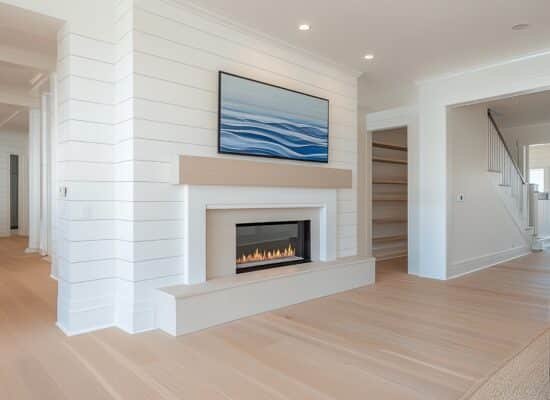
Shiplap’s warmth and subtle shadow lines often create a focal point that photographs well for listings. If you’re in a competitive housing market, strategic upgrades like a shiplap accent wall can add perceived value and buyer appeal.
Best Practices for Reducing Shiplap Costs Per Square Foot
To lower shiplap costs per square foot without sacrificing quality, focus on thoughtful planning, strategic material choices, and efficient installation.
- Match material to the room: MDF is ideal for painted living areas; PVC is best for baths and laundry rooms.
- Buy in batches: Order all boards at once for consistent color and profile, and negotiate bulk pricing at lumberyards.
- Optimize layout: Minimize small off-cuts by planning board runs and locating seams behind furniture or above doorways.
- Prime before install: Back-priming wood reduces movement and paint touch-ups later.
- Handle finishing yourself: DIY painting can trim $1–$2 per sq ft off pro quotes.
- Get multiple bids: Compare line-item estimates, including prep, trim, and finishing.
- Time your project: Off-peak scheduling may secure better labor availability and rates.
If your wall upgrade is part of a larger kitchen project, getting quotes from local pros can streamline scheduling and reduce costs. Homeowners near the Front Range can start with vetted kitchen remodeling companies in Denver, CO to coordinate carpentry, electrical, and finish work efficiently.
Common Mistakes to Avoid with Shiplap Costs Per Square Foot
Steer clear of these pitfalls to keep your budget intact and your results consistent.
- Skipping wall prep: Uneven or damaged surfaces lead to lippage and gapping. Plan for surface repair in the estimate.
- Ignoring movement gaps: Wood expands and contracts. Respect recommended spacing and acclimate boards before installation.
- Underestimating trim and transitions: Corners, baseboards, and door casings can add notable cost.
- Using the wrong fasteners: Choose appropriate nails or screws for MDF versus wood to prevent splitting and blowouts.
- Painting too soon: Caulk and fill, then allow proper dry times to avoid flashing and visible seams.
New to trim carpentry? Review professional guidance on materials, layout, and fastening from respected sources such as This Old House’s shiplap tutorial before you start.

Frequently Asked Questions
What is a good budget range for shiplap costs per square foot?
For most homes, plan $6–$12 per sq ft for installed shiplap in average rooms and straightforward layouts. Complex patterns, tall ceilings, or premium finishes can push totals to $14–$15 per sq ft.
Is MDF shiplap durable enough for busy spaces?
Yes—when properly primed, painted, and installed in dry areas. MDF offers a smooth surface and consistent gaps, making it popular for living rooms and hallways. Avoid high-humidity zones unless you use moisture-rated products.
How can I lower shiplap costs per square foot without losing quality?
Choose MDF for painted walls, do your own painting, and plan an efficient layout to minimize waste. Get multiple bids and schedule during off-peak times to secure better labor rates.
Can I install shiplap over existing drywall?
Often, yes. Ensure the wall is flat, locate studs, and use appropriate fasteners. Account for outlet and trim adjustments in your estimate, as these can add time and cost.
What rooms benefit most from shiplap?
Accent walls in living rooms, entries, dining rooms, and primary bedrooms create a strong visual impact. For baths or laundry rooms, consider PVC or properly sealed wood, and emphasize ventilation to limit moisture exposure.
Conclusion
Understanding shiplap costs per square foot empowers you to match design goals with a realistic budget. With the right material, a clear estimate, and a few cost-saving moves, you’ll achieve a refined look that stands up to daily life. Gather bids, compare materials, and move forward confidently—your next wall upgrade is within reach.