


Why is proper identification of bed bugs crucial?
Proper identification of bed bugs is crucial because misidentification leads to significant financial costs and psychological distress. A staggering 84% of pest control professionals report responding to suspected bed bug cases that turn out to be misidentified insects, leading to unnecessary treatments and widespread confusion that is becoming a costly epidemic.
Table Of Content
- The Bed Bug Panic: Why Proper Identification Matters
- Real Cost of Misidentification: Statistics and Facts
- Impact on Mental Health and Sleep Quality
- Common Scenarios Leading to Misidentification
- What Real Bed Bugs Actually Look Like
- Definitive Physical Characteristics
- Life Cycle Stages and Appearance Changes
- Where They Hide: Typical Bed Bug Habitats
- Tell-Tale Signs of True Bed Bug Infestations
- Bat Bugs: The Nearly Identical Cousin
- Key Differences Between Bat and Bed Bugs
- Habitat Preferences and Behavioral Patterns
- Associated Risks and Control Methods
- Spider Beetles: The Round Imposters
- Visual Similarities to Bed Bugs
- Distinct Behavioral Characteristics
- Common Areas of Infestation
- Carpet Beetles: The Household Deceiver
- Larval Stage Confusion
- Feeding Habits and Damage Patterns
- Prevention and Control Strategies
- BookLice: Tiny Troublemakers
- Size and Shape Comparisons
- Environmental Conditions That Attract Them
- Impact on Home and Health
- Swallow Bugs: The Seasonal Visitor
- Identification Features and Habitat
- Seasonal Patterns and Migration
- Management and Prevention
- Cockroach Nymphs: The Early Stage Mix-Up
- Development Stages and Appearance
- Movement and Behavioral Differences
- Control and Prevention Methods
- Fleas: The Jumping Imposters
- Physical Characteristics vs Bed Bugs
- Bite Patterns and Reactions
- Effective Treatment Approaches
- Mites: The Microscopic Confusion
- Types Commonly Mistaken for Bed Bugs
- Health Implications and Risks
- Detection and Control Methods
- Professional Identification Tools and Techniques
- Magnification and Inspection Equipment
- Sample Collection Methods
- Laboratory Testing Options
- DIY Identification Steps
- Essential Tools for Home Inspection
- Step-by-Step Inspection Process
- Common Mistakes to Avoid
- Prevention Strategies for All Look-Alikes
- Environmental Management Tips
- Natural Deterrent Methods
- Regular Monitoring Practices
- When to Call the Professionals
- Red Flags That Require Expert Help
- Choosing the Right Pest Control Service
- Questions to Ask Before Hiring
- Treatment Options and Solutions
- Chemical vs Natural Treatments
- Cost Comparison Guide
- Long-Term Prevention Strategies
- Health and Safety Considerations
- Comparing Bite Reactions
- Allergic Response Differences
- When to Seek Medical Attention
- Future-Proofing Your Home
- Long-Term Prevention Strategies
- Seasonal Preparation Tips
- Monitoring and Maintenance Schedule
- Expert Resources and Further Reading
- Reliable Online Resources
- Professional Organizations
- Community Support Groups
What is the real cost of bed bug misidentification?
The real cost of bed bug misidentification is profound, with American households spending an average of $1,200 on unnecessary treatments annually due to incorrect pest identification. These hasty reactions to suspected infestations often lead to premature pest control interventions, with costs ranging from $300 to $5,000 per treatment.
How do suspected bed bug infestations impact mental health and sleep quality?
Suspected bed bug infestations can have a devastating psychological toll, impacting mental health and sleep quality. Nocturnal vigilance, describing excessive nighttime awareness, affects 68% of individuals who believe they have bed bugs. Sleep quality typically deteriorates, with affected individuals reporting an average 2.3-hour reduction in nightly sleep during suspected infestations.
What are common scenarios leading to bed bug misidentification?
Misidentification frequently occurs in several predictable situations, including low lighting conditions, travel-induced anxiety, and seasonal pest migrations. Low lighting, particularly during dawn or dusk, makes accurate identification challenging. Travel-induced anxiety often leads to heightened suspicion, while seasonal pest migrations can trigger false alarms. Understanding these scenarios helps prevent unnecessary panic.
What Real Bed Bugs Actually Look Like
Before diving into look-alikes, understanding genuine bed bug characteristics is crucial. These nocturnal ectoparasites have distinctive features that set them apart from their doppelgangers. Let’s examine their unique attributes with scientific precision.
What are the definitive physical characteristics of bed bugs?
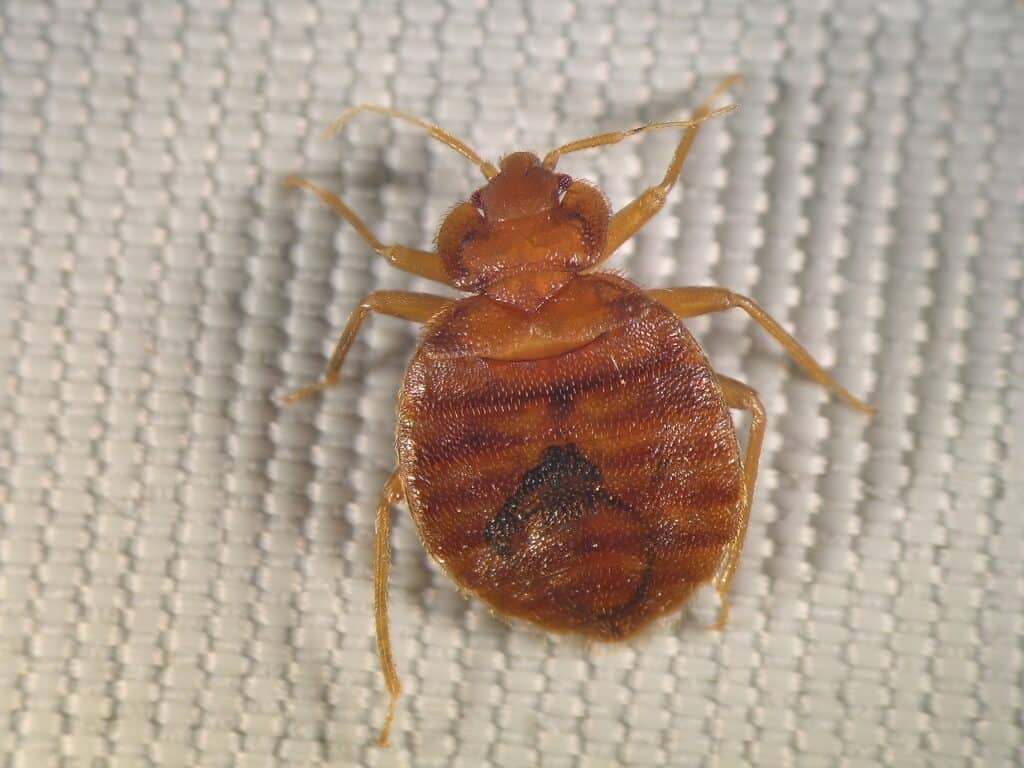
Adult bed bugs (Cimex lectularius) possess several unmistakable features. Their bodies are russet-mahogany in color, measuring 4-5mm in length – approximately the size of an apple seed. The defining characteristic is their flat, oval shape, which becomes elongated and reddish after feeding. These hematophagous insects lack wings but have vestigial wing pads and characteristic six-segmented antennae.
What are the life cycle stages and appearance changes of bed bugs?
The bed bug metamorphosis involves five nymphal instars before reaching maturity. Newly hatched nymphs are translucent and merely 1mm long. With each blood meal and subsequent molt, they become increasingly amber-colored. Each developmental stage requires a blood meal to progress, with the entire lifecycle spanning approximately 37 days under optimal conditions.
Where They Hide: Typical Bed Bug Habitats
These cryptobiotic insects exhibit strong thigmotactic behavior, meaning they prefer tight, dark spaces. Prime harborage sites include:
- Mattress piping and seams
- Box spring interiors
- Headboard crevices
- Baseboards within 20 feet of resting areas
- Picture frame backing
- Electrical outlet plates
What are the tell-tale signs of true bed bug infestations?
Definitive evidence of bed bug presence extends beyond visual identification. Key indicators include:
- Rusty-colored fecal spotting on mattresses
- Coriander-scented aggregation pheromones
- Exuviae (shed exoskeletons) in harborage areas
- Linear feeding patterns, often called “breakfast, lunch, and dinner” bites
- Black excrement spots on wooden surfaces
What are bat bugs and how do they resemble bed bugs?
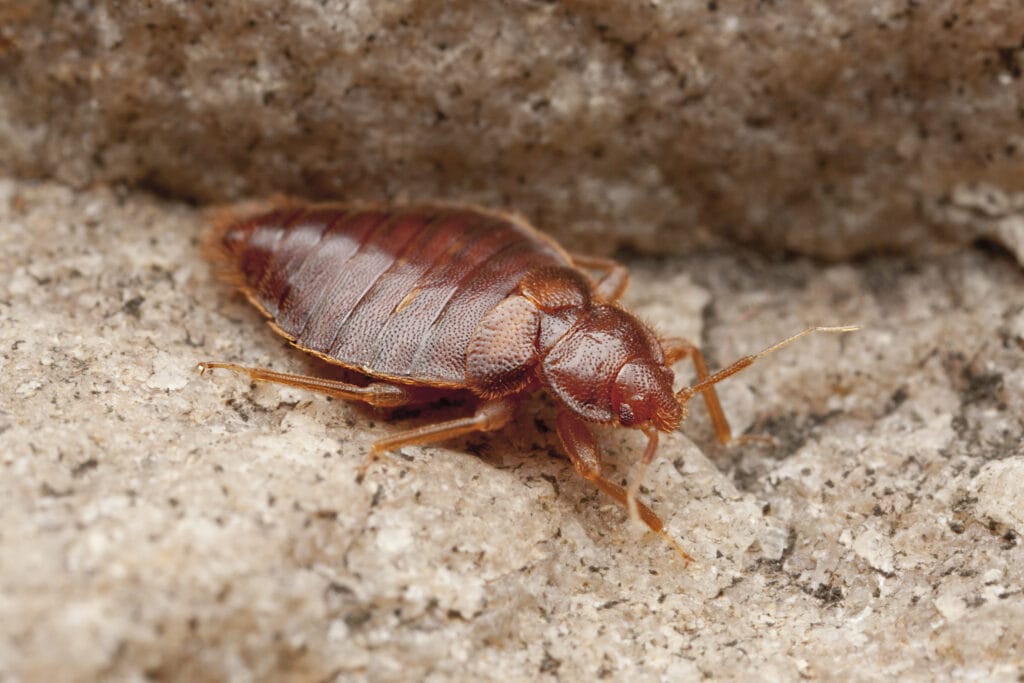
Among all bed bug mimics, bat bugs (Cimex pilosellus) present the most challenging identification puzzle. These parasitic cousins share remarkable morphological similarities with bed bugs, requiring microscopic examination for definitive differentiation.
What are the key differences between bat bugs and bed bugs?
The primary distinguishing feature lies in the length of their pronotal fringe hairs. Bat bugs possess longer fringe hairs on their pronotum, measuring approximately the width of their eye. Their bodies also tend to be slightly more hirsute overall. Under 10x magnification, these subtle variations become apparent to the trained observer.
What are the habitat preferences and behavioral patterns of bat bugs?
Unlike their cousins, bat bugs exhibit strong host specificity. They primarily inhabit:
- Attic spaces housing bat colonies
- Church belfries and steeples
- Abandoned structures with bat populations
- Wall voids near bat entry point These arthropods typically emerge only when their primary hosts abandon the roost.
What are the associated risks and control methods for bat bugs?
While bat bugs can bite humans, their presence usually indicates a larger issue – bat infestation. Control measures must address both problems simultaneously:
- Exclude bats through proper sealing techniques
- Treat affected areas with appropriate insecticides
- Install one-way exclusion devices
- Monitor for re-infestation patterns
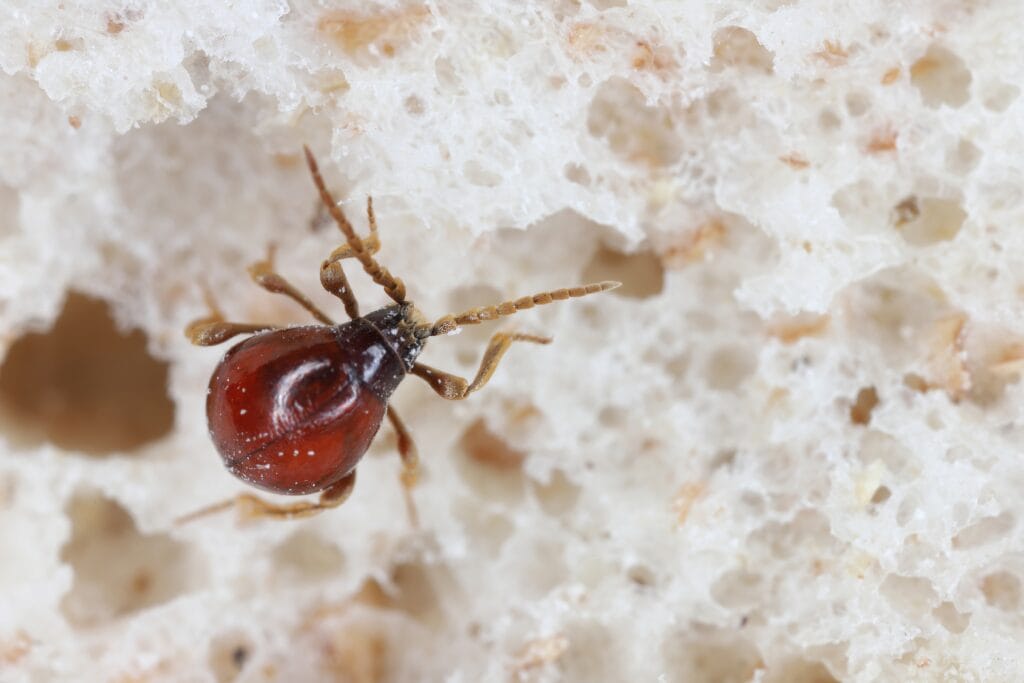
What are spider beetles and why are they mistaken for bed bugs?
Spider beetles (Family Ptinidae) frequently trigger false bed bug alerts due to their similar size and coloration. These pantry-dwelling insects can cause significant confusion among homeowners.
What are the visual similarities between spider beetles and bed bugs?
The American spider beetle (Mezium Americanum) particularly resembles engorged bed bugs with its:
- Globular abdomen
- Reddish-brown coloration
- Similar size range (2-4mm). However, their long, spindly legs and distinctive antennae set them apart.
What are the distinct behavioral characteristics of spider beetles?
Unlike bed bugs, spider beetles:
- Demonstrate positive phototropism (attraction to light)
- Feed on dried goods rather than blood
- Move erratically rather than purposefully
- Remain active throughout daylight hours. These behavioral differences provide crucial identification clues.
What are the common areas of spider beetle infestation?
Spider beetles typically congregate in:
- Pantry areas
- Grain storage facilities
- Rarely used flour or meal containers
- Dark corners of food storage areas Their presence often indicates compromised dry goods rather than a parasitic infestation.
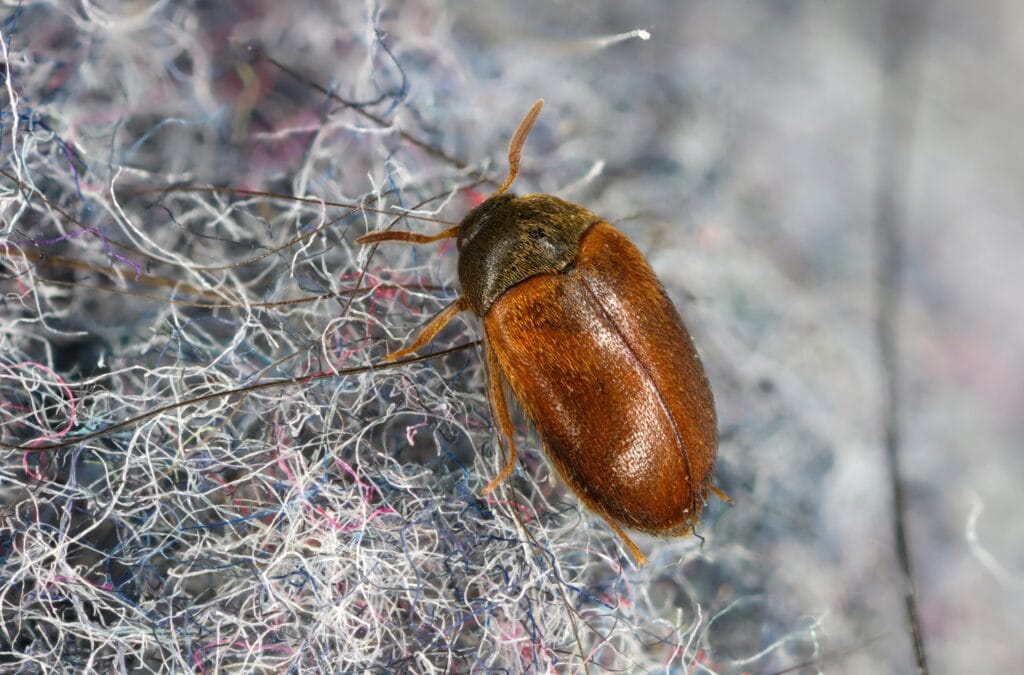
What are carpet beetles and why are they mistaken for bed bugs?
Carpet beetles (Family Dermestidae) frequently trigger bed bug concerns, particularly during their larval stage. These ubiquitous household invaders can cause significant confusion among worried homeowners.
Why are carpet beetle larvae often confused with bed bugs?
Carpet beetle larvae possess several characteristics that mimic bed bugs:
- Similar size range (2-5mm)
- Brown-to-black coloration
- Active nocturnal behavior However, their distinctive bristly appearance and carrot-shaped body provide key differentiation points. These larvae, known as “woolly bears,” feature characteristic tufts of hair that bed bugs never possess.
What are the feeding habits and damage patterns of carpet beetles?
Unlike hematophagous bed bugs, carpet beetles are keratin consumers. They target:
- Natural fiber carpets and rugs
- Wool clothing
- Taxidermy specimens
- Dead insects
- Animal-based fabrics Their damage appears as irregular holes rather than the blood spots associated with bed bugs.
What are the prevention and control strategies for carpet beetles?
Effective carpet beetle management requires a multi-faceted approach:
- Regular vacuum cleaning with special attention to baseboards
- Steam cleaning of natural fiber carpets
- Cedar-based deterrents in closets
- Proper storage of susceptible materials
- Routine inspection of taxidermy and stored woolens
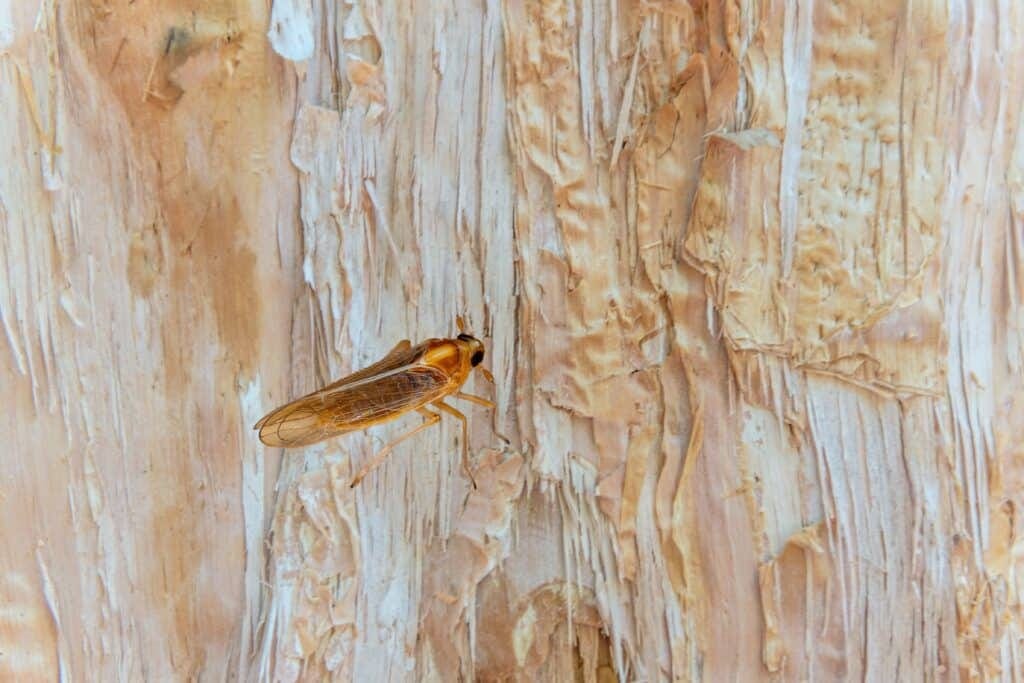
What are booklice and why are they mistaken for bed bugs?
Booklice (Order Psocoptera) represents another common source of bed bug misidentification. These minute insects, despite their name, aren’t true lice at all.
What are the size and shape comparisons between booklice and bed bugs?
Booklice present several distinguishing features:
- Extremely small size (1-2mm)
- Translucent to light brown coloration
- Soft, elongated bodies
- Pronounced head region Their diminutive stature often leads to misidentification when only briefly glimpsed.
What environmental conditions attract booklice?
These moisture-loving insects thrive in specific conditions:
- Relative humidity above 65%
- Poor ventilation
- Presence of mold or mildew
- Paper products and book bindings
- Wallpaper seams and backing
What is the impact of booklice on home and health?
While booklice don’t bite humans or carry diseases, they can:
- Damage paper materials
- Indicate moisture problems
- Trigger allergic reactions in sensitive individuals
- Signal the need for humidity control Their presence often suggests underlying environmental issues requiring attention.
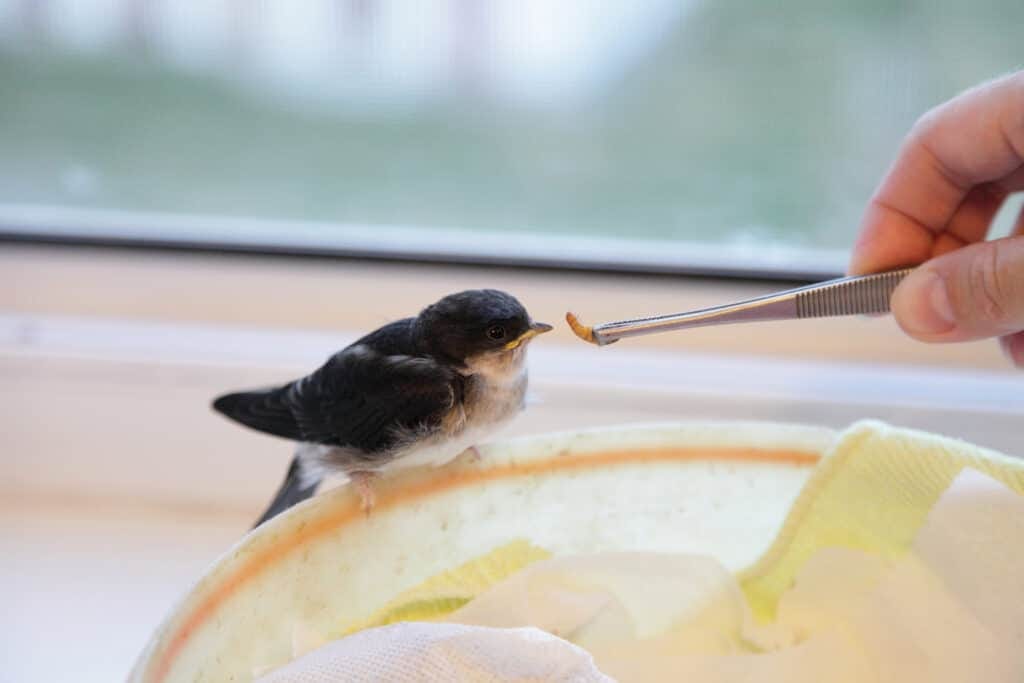
What are swallow bugs and why are they seasonal visitors?
Swallow bugs (Oeciacus vicarius) emerge as seasonal imposters, particularly in structures near bird nests. These specialized parasites can create confusion during their occasional indoor migrations.
What are the identification features and habitat of swallow bugs?
Key identifying characteristics include:
- Slightly more oval body shape than bed bugs
- Longer and more abundant setae (hairs)
- Marginally smaller size (3-4mm)
- Less pronounced abdominal segmentation Their primary habitat centers around cliff swallow nesting sites and adjacent building areas.
What are the seasonal patterns and migration habits of swallow bugs?
These arthropods follow predictable annual cycles:
- Active during spring swallow nesting
- Migrate indoors during nest abandonment
- Overwinter in building crevices
- Reactivate with returning bird populations. Understanding these patterns helps predict and prevent infestations.
What are the management and prevention methods for swallow bugs?
Effective control requires targeted intervention:
- Bird exclusion from building eaves
- Proper sealing of entry points
- Residual insecticide applications
- Removal of abandoned nests
- Regular monitoring of building perimeters
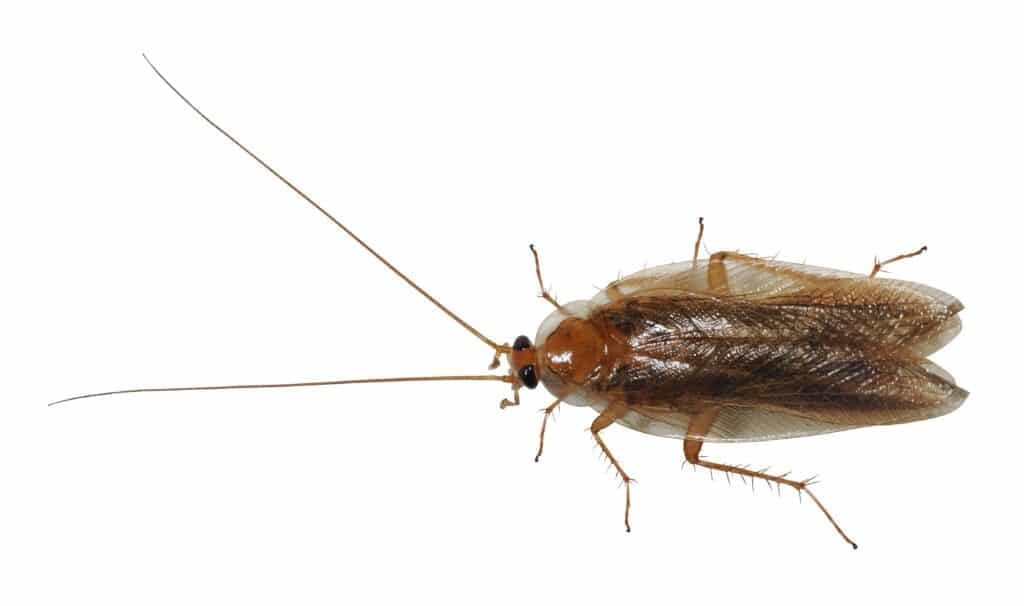
Why are cockroach nymphs often mistaken for bed bugs?
German cockroach nymphs (Blattella germanica) in particular often trigger bed bug concerns. Their size and coloration can deceive even careful observers.
What are the development stages and appearance of cockroach nymphs?
Nymphal cockroaches display several potentially confusing traits:
- Reddish-brown coloration in early instars
- Similar size to adult bed bugs
- Nocturnal activity patterns
- Tendency to cluster in cracks and crevices Key differences include faster movement and distinct body segmentation.
What are the movement and behavioral differences of cockroach nymphs compared to bed bugs?
Cockroach nymphs exhibit characteristic behaviors:
- Rapid, erratic movement when disturbed
- Preference for food debris rather than blood
- Greater climbing ability
- Stronger light avoidance These behavioral markers help distinguish them from bed bugs.
What are the control and prevention methods for cockroach nymphs?
Effective management strategies include:
- Sanitation improvement
- Moisture control
- Crack and crevice treatment
- Monitoring with sticky traps
- Regular inspection of plumbing areas
- Elimination of food sources
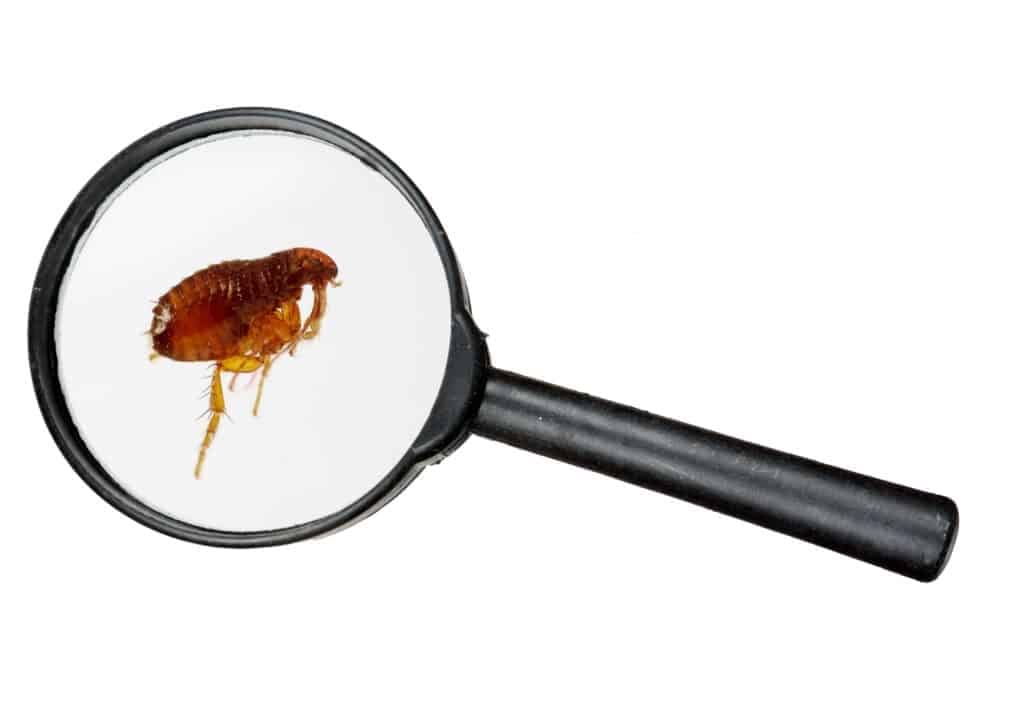
What are fleas and why are they mistaken for bed bugs?
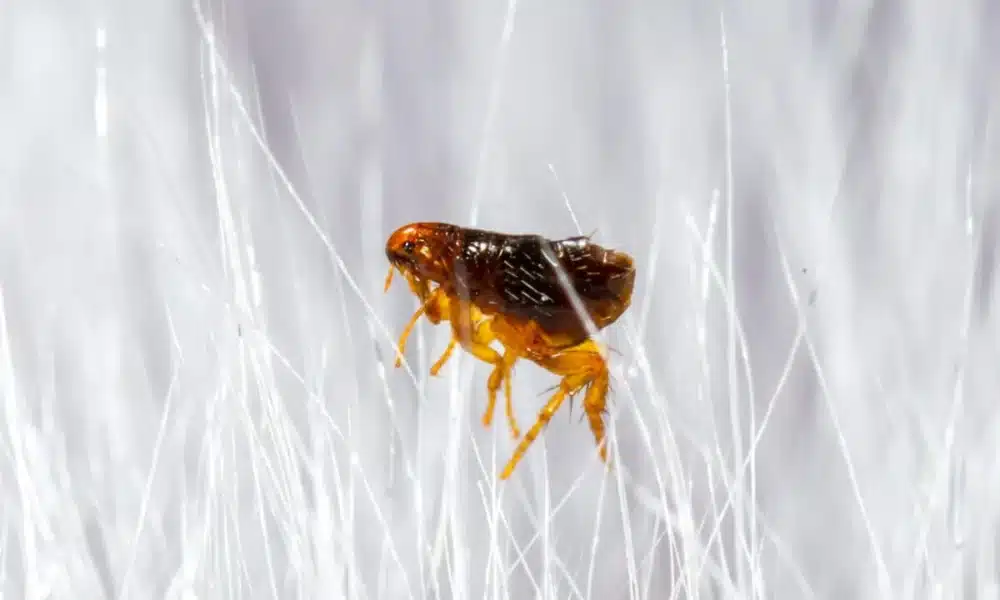
Common fleas (Ctenocephalides spp.) often create bed bug confusion, particularly during initial infestations. These agile parasites share several superficial similarities with bed bugs but possess distinct characteristics.
What are the physical characteristics of fleas compared to bed bugs?
Fleas possess unique morphological features:
- Laterally compressed bodies
- Powerful hind legs for jumping
- Size range of 1.5-3.3mm
- Dark brown to mahogany coloration
- Distinct comb-like structures (ctenidia) Their compressed body shape contrasts sharply with bed bugs’ dorso-ventrally flattened profile.
What are the bite patterns and reactions of flea bites?
Flea bites demonstrate distinctive patterns:
- Clustered around ankles and lower legs
- Immediate itching sensation
- Small, bright red circles
- Central puncture point
- Triple grouping uncommon Unlike bed bugs’ linear feeding patterns, flea bites typically appear randomly distributed.
What are effective treatment approaches for fleas?
Successful flea control requires comprehensive intervention:
- Treating all pets with veterinary-approved products
- Thorough vacuuming with immediate disposal
- IGR (Insect Growth Regulator) application
- Environmental humidity reduction
- Regular pet bedding laundering
What are mites and why are they mistaken for bed bugs?
Various mite species frequently trigger bed bug concerns, particularly bird mites (Dermanyssus gallinae) and rodent mites (Ornithonyssus bacoti).
What types of mites are commonly mistaken for bed bugs?
Several mite species cause misidentification:
- Northern fowl mites
- Tropical rat mites
- Clover mites
- Grain mites Their microscopic size and feeding habits often lead to confusion.
What are the health implications and risks of mite infestations?
Mite infestations can cause:
- Dermatitis
- Allergic reactions
- Secondary infections
- Psychological distress
- Sleep disruption Unlike bed bugs, some mites can burrow under skin.
What are the detection and control methods for mites?
Effective mite management requires:
- Source identification (host animals)
- Microscopic examination
- Professional pest assessment
- Environmental modification
- Appropriate acaricide selection
What professional tools and techniques are used for pest identification?
Accurate pest identification requires specialized equipment and methodologies. Professional pest management experts employ various tools to ensure precise species determination.
What magnification and inspection equipment do professionals use for pest identification?
Essential diagnostic tools include:
- Digital microscopes (40-400x magnification)
- UV inspection lights
- Specialized interceptor devices
- High-resolution cameras
- Specimen collection vials Professional-grade equipment allows for definitive species identification through morphological examination.
What are the sample collection methods for pest identification?
Proper specimen collection involves:
- Adhesive monitoring devices
- Specialized bed bug traps
- CO2 attraction systems
- Forceps and collection tools
- Preservation solutions These methods ensure intact specimens for accurate identification.
What laboratory testing options are available for pest identification?
Advanced identification services include:
- DNA analysis
- Morphological examination
- Chemical residue testing
- Fecal matter analysis
- Blood meal identification
What are the DIY steps for pest identification?
Homeowners can perform preliminary identification using specific methods and tools.
What essential tools are needed for a DIY home pest inspection?
The basic inspection kit should contain the following:
- Strong flashlight (preferably LED)
- Magnifying glass (at least 10x)
- White latex gloves
- Clear plastic bags
- Credit card or thin ruler These tools enable thorough visual inspection of suspected areas.
What is the step-by-step process for a DIY pest inspection?
Follow this systematic approach:
- Examine bedding and mattress seams
- Check headboard and frame junctions
- Inspect nearby electrical outlets
- Survey baseboards and wall joints
- Evaluate furniture crevices. Document findings with photos for professional consultation.
What common mistakes should be avoided during DIY pest identification?
Frequent identification errors include:
- Rushing to conclusions
- Inadequate lighting during the inspection
- Mistaking debris for insects
- Overlooking subtle signs
- Improper sample collection Taking time for thorough examination prevents costly misidentification.
What are effective prevention strategies for bed bugs and their look-alikes?
Implementing comprehensive prevention methods helps avoid infestations of both bed bugs and their look-alikes. A proactive approach saves time, money, and stress.
What are environmental management tips for pest prevention?
Create inhospitable conditions through:
- Maintaining humidity below 50%
- Sealing entry points with copper mesh
- Reducing clutter in living spaces
- Installing door sweeps
- Managing exterior vegetation, These modifications discourage multiple pest species simultaneously.
What are natural deterrent methods for pests?
Employ biological and physical deterrents:
- Diatomaceous earth applications
- Essential oil barriers (lavender, tea tree)
- Cedarwood treatments
- Sticky monitoring boards
- Regular steam cleaning Natural methods provide long-term, chemical-free protection.
What are regular monitoring practices for pest prevention?
Establish routine inspection protocols:
- Weekly bed checks
- Monthly deep inspections
- Seasonal perimeter surveys
- Documentation of findings
- Photo records of suspicious evidence
When to Call the Professionals
Some situations require expert intervention. Recognizing these scenarios prevents escalation of pest problems.
What are the red flags that require expert pest control help?
Seek professional assistance when:
- Multiple rooms show evidence
- DIY treatments fail repeatedly
- Health issues develop
- Structural damage appears
- Infestations recur frequently
How do you choose the right pest control service?
Select professionals based on:
- State licensing and insurance
- IPM certification
- Experience with specific species
- Customer reviews and ratings
- Treatment guarantee policies
What questions should you ask before hiring a pest control service?
Critical inquiries include:
- Treatment methodology
- Success rate statistics
- Follow-up protocols
- Cost breakdown
- Warranty terms Document all responses for future reference.
What are the treatment options and solutions for pest infestations?
Effective pest management requires tailored approaches based on accurate species identification. Different look-alikes demand distinct treatment strategies.
What are the differences between chemical and natural pest treatments?
Chemical Options:
- Pyrethroids for most species
- Growth regulators for larvae
- Residual sprays for prevention
- Dust applications for voids
- Contact killers for immediate results
Natural Alternatives:
- Desiccant powders
- Heat treatment (130°F minimum)
- Cold treatment (-0°F for 4 days)
- Botanical-based sprays
- Mechanical removal methods
What is a cost comparison guide for pest treatments?
Treatment expenses vary significantly:
- DIY Solutions: $50-200
- Professional Single Treatment: $300-1,000
- Whole House Treatment: $2,000-4,000
- Prevention Systems: $100-500 annually
- Monitoring Tools: $20-100
What are long-term prevention strategies for pest control?
Sustainable management includes:
- Quarterly professional inspections
- Ongoing monitoring systems
- Regular cleaning protocols
- Environmental modifications
- Staff/family training programs
What are the health and safety considerations for pest infestations?
Understanding health implications helps prioritize treatment decisions and medical intervention.
How do bite reactions compare between different pests?
Different species cause varying reactions:
- Bed Bugs: Linear patterns, delayed reaction
- Fleas: Immediate itching, ankle clusters
- Mites: Persistent irritation, spreading rash
- Bird Bugs: Similar to bed bugs but less severe
- Spider Beetles: No bites, harmless
What are the differences in allergic responses to pest bites?
Watch for varying severity levels:
- Mild: Local redness and itching
- Moderate: Swelling and blistering
- Severe: Systemic reactions
- Delayed: Secondary infections
- Chronic: Ongoing sensitivity
When should you seek medical attention for pest-related issues?
Consult healthcare providers when:
- Severe allergic reactions occur
- Infections develop
- Sleep disruption becomes severe
- Mental health impacts emerge
- Respiratory symptoms appear
How can you future-proof your home against pests?
Prevention extends beyond immediate treatment. Creating a long-term strategy ensures continued protection against all pest look-alikes.
What are long-term prevention strategies for home pests?
Implement sustainable solutions:
- Install permanent monitoring systems
- Upgrade weatherization
- Improve ventilation systems
- Establish cleaning protocols
- Create documentation systems Regular maintenance prevents 90% of common infestations.
What are seasonal preparation tips for pest prevention?
Adjust prevention methods by season: Spring:
- Inspect bird nesting areas
- Check window screens
- Monitor humidity levels
Summer:
- Enhance ventilation
- Check travel luggage
- Monitor pet areas
Fall:
- Seal entry points
- Remove exterior debris
- Inspect stored items
Winter:
- Monitor heating systems
- Check dark corners
- Inspect stored clothing
What is a recommended monitoring and maintenance schedule for pest prevention?
Create a year-round maintenance calendar:
- Weekly visual inspections
- Monthly deep cleaning
- Quarterly professional checks
- Bi-annual preventive treatments
- Annual system upgrades
What are expert resources and further reading for pest control?
Access reliable information sources for ongoing education and support.
What are reliable online resources for pest control information?
Verified information sources include:
- University extension services
- Environmental Protection Agency
- Centers for Disease Control
- Professional pest associations
- State agriculture departments
What are professional organizations for pest management?
Connect with established organizations:
- National Pest Management Association
- Entomological Society of America
- State pest control associations
- Local health departments
- University research programs
What are community support groups for pest management?
Engage with support networks:
- Local pest management forums
- Homeowner associations
- Online identification groups
- Professional networking groups
- Community education programs
Remember: accurate identification remains the cornerstone of effective pest management. Stay informed, maintain vigilance, and act promptly when signs appear. With proper knowledge and resources, managing bed bug look-alikes becomes a manageable task rather than an overwhelming challenge.