


Table Of Content
- Ceiling Fan Bulbs – Types and Tech Basics
- Common Bulb Types for Fan Light Kits
- Base Sizes, Shapes, and Fit
- Brightness, Color, and Quality of Light
- Quick-Choose Checklist for Ceiling Fan Bulbs
- Comparing LED, Incandescent, and CFL
- Dimmable Ceiling Fan Bulbs and Controls
- How to Choose and Install Ceiling Fan Bulbs
- Selection Steps
- Safe Installation Steps
- Room-by-Room Recommendations for Ceiling Fan Bulbs
- Living Rooms
- Bedrooms
- Kitchens and Bathrooms
- Best Practices for Ceiling Fan Bulbs
- Cost and Lifespan Considerations
- Troubleshooting and Compatibility Tips
- Flicker or Drop‑Outs
- Premature Burnouts
- Smart Bulb Considerations
- Common Mistakes to Avoid with Ceiling Fan Bulbs
- Frequently Asked Questions
- What size and shape work best for ceiling fan bulbs?
- Can I use dimmable ceiling fan bulbs with my remote?
- Are LED ceiling fan bulbs safe in enclosed fixtures?
- How do I choose color temperature for ceiling fan bulbs?
- Conclusion
- Additional Resources
Ceiling Fan Bulbs: Proven Guide with Powerful Expert Tips
Ceiling fan bulbs influence comfort, clarity, and energy costs more than you might think. From base size and bulb shape to lumens, color temperature, and dimming, the right choice helps every room look great and feel cooler. This expert guide explains how to select ceiling fan bulbs for safe, efficient, long-lasting light.
You’ll compare LED, incandescent, and CFL options, learn how to match bulbs to room size and tasks, and discover installation and maintenance tips to prevent flicker and premature failure. Moreover, you’ll find quick checklists, best practices, and common mistakes to avoid so you can upgrade once and enjoy years of dependable lighting.
Ceiling Fan Bulbs – Types and Tech Basics
Before buying ceiling fan bulbs, understand core specifications: bulb type, base, shape, lumens (brightness), color temperature (CCT), color rendering (CRI), dimmability, and ratings for enclosed fixtures and damp locations. For foundational guidance on efficient lighting, see the U.S. Department of Energy lighting basics.
Common Bulb Types for Fan Light Kits
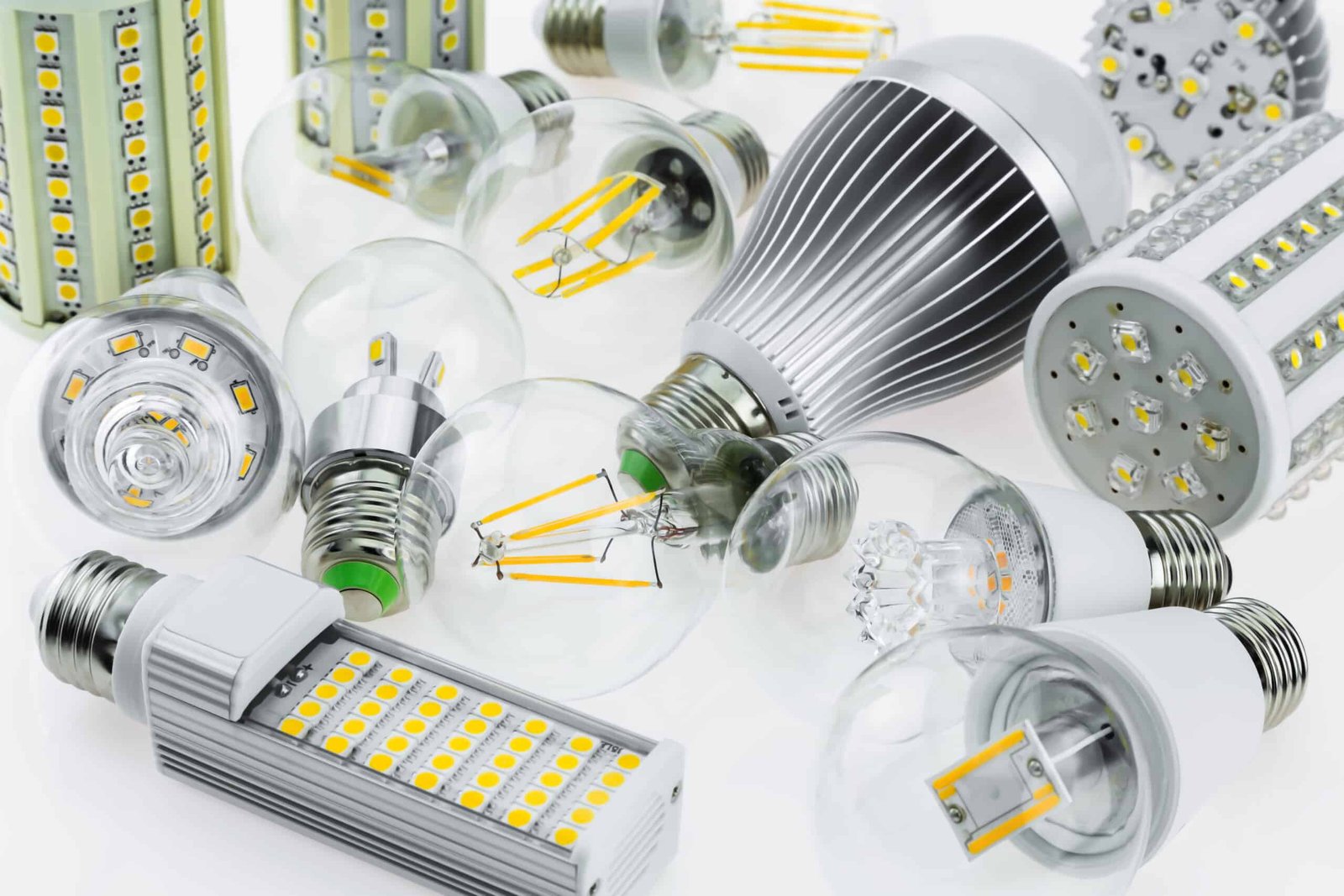
- LED: Most efficient and longest‑lasting; runs cool, widely available in dimmable versions and multiple color temperatures.
- Incandescent: Classic warm glow and instant full brightness but short lifespan and high energy use.
- CFL: Moderate efficiency and cost; may take a moment to reach full output and contains a small amount of mercury.
Base Sizes, Shapes, and Fit
Match the fixture’s socket and space constraints:
- E26 (medium base): Common in standard fans and larger light kits.
- E12 (candelabra base): Typical in compact or decorative fans.
- Popular shapes for fans: A15 (shorter than A19), B10/B11 (candelabra “flame”), G16.5/G25 (globes), and ST19 (vintage style). Always verify the globe or shade clearance.
Brightness, Color, and Quality of Light
- Lumens (brightness): Bedrooms: 450–800 lm/bulb; living rooms: 800–1,600 lm/bulb; kitchens/baths: 1,100+ lm for tasks.
- Color temperature (CCT): 2700–3000K for warm/cozy; 3500–4000K neutral for kitchens/baths; 5000K daylight for crisp task detail.
- CRI (color accuracy): Aim for CRI 80+, and 90+ where accurate color is important (grooming, craft areas).
Quick-Choose Checklist for Ceiling Fan Bulbs
Use this fast, step‑by‑step list to pick the right ceiling fan bulbs the first time:
- Confirm base (E26 or E12) and bulb shape that fits your shade or globe.
- Choose LEDs for efficiency and longevity; consider incandescent or CFL only for specific preferences or constraints.
- Pick lumens for the room size/task; avoid exceeding the fixture’s wattage limit.
- Select CCT for mood and function (2700–3000K cozy; 3500–4000K task-friendly).
- Check dimmable labeling if using a dimmer or fan remote with dimming.
- Verify “enclosed fixture rated” if your light kit is fully enclosed.
- Use “damp rated” bulbs for bathrooms or humid climates.
- Prefer “vibration resistant” or “rough‑service” where applicable.
Comparing LED, Incandescent, and CFL
Here’s a concise comparison to help you evaluate each technology for ceiling fan bulbs.
| Bulb Type | Pros | Cons |
|---|---|---|
| LED | Top efficiency, long life, cool running, many dimmable options | Higher upfront cost; requires compatible dimmers for smooth performance |
| Incandescent | Warm classic glow, instant full output, low initial price | Short life, high energy use, runs hot |
| CFL | Moderate efficiency and price, acceptable life | Contains mercury; slower warm‑up; possible flicker on some controls |
For most households, LEDs deliver the best total value in ceiling fan bulbs thanks to reduced energy use and fewer replacements. For third‑party performance criteria, review ENERGY STAR light bulb guidance.
Dimmable Ceiling Fan Bulbs and Controls
If your fan uses a wall dimmer or remote with dimming, match dimmable bulbs to a compatible control. Not all dimmers work well with every LED. Consequently, check the manufacturer’s compatibility list, or use tools like Lutron’s LED dimmer compatibility tool to prevent flicker, drop‑outs, or limited dimming range.
How to Choose and Install Ceiling Fan Bulbs
Choosing and installing ceiling fan bulbs correctly prevents hot spots, buzzing, and early failures. Follow the steps below to select the right product and fit it safely.
Selection Steps
- Check the manual and label: Note socket base, max wattage, and any enclosure or damp‑location requirements.
- Measure the shade: Ensure bulb shape (A15/B11/G25/ST19) clears the glass and allows ventilation.
- Match lumens to the task: Bedrooms 450–800 lm; living spaces 800–1,600 lm; task zones 1,100+ lm.
- Choose CCT and CRI: 2700–3000K for relaxing; 3500–4000K for work areas; CRI 80+ or 90+ for color accuracy.
- Confirm dimmability and compatibility: Pair dimmable LEDs with recommended dimmers/remotes.
- Look for ratings: “Enclosed fixture rated,” “damp rated,” and “vibration resistant” where needed.
Safe Installation Steps
- Turn off power at the switch (and breaker for extra safety), then let the old bulb cool.
- Use a stable ladder; remove the shade or globe carefully.
- Insert the new bulb without overtightening; re‑install the shade.
- Restore power and test. If dimming, verify smooth range without flicker.
Room-by-Room Recommendations for Ceiling Fan Bulbs
Living Rooms
Target 800–1,600 lumens per bulb, depending on ceiling height and room size. Warm 2700–3000K dimmable LEDs create flexible ambiance for movie nights and entertaining.
Bedrooms
Choose 450–800 lumens with 2700K for relaxation. Softer light, especially with dimming, supports wind‑down routines and limits glare.
Kitchens and Bathrooms
Opt for 1,100+ lumens and 3500–4000K for clean, accurate task lighting. In humid spaces, select damp‑rated products. If your light kit is fully enclosed, use enclosed‑fixture‑rated LEDs to protect lifespan.
Best Practices for Ceiling Fan Bulbs
- Prioritize LEDs: They reduce heat inside shades, which prolongs component life.
- Mind heat and ventilation: Smaller A15 LEDs often fit enclosed fan globes better and run cooler than larger A19 bulbs.
- Use vibration‑resistant designs: Fans can cause micro‑vibrations; bulbs marketed for vibration resistance tolerate this better.
- Replace in sets: Installing matching bulbs ensures consistent color and brightness across multi‑socket kits.
- Dispose of CFLs properly: If you still use CFLs, follow the EPA guidance on CFL cleanup and disposal.
Cost and Lifespan Considerations
While LEDs cost more upfront than incandescents, they typically last 10–25 times longer and use a fraction of the power. Over a few years, energy savings and fewer replacements usually make LED ceiling fan bulbs the most economical choice. Moreover, their cooler operation can protect delicate fan shades and electronics.
Troubleshooting and Compatibility Tips
Flicker or Drop‑Outs
Confirm the bulbs are dimmable and paired with a compatible control. Subsequently, tighten loose bulbs, verify wiring, and try a different brand known for smooth dimming performance.
Premature Burnouts
Excess heat, enclosed globes, or over‑wattage can shorten life. Therefore, use enclosed‑rated LEDs, stay within wattage limits, and choose lower‑wattage LEDs that still deliver adequate lumens.
Smart Bulb Considerations
Some smart bulbs don’t play well with fan electronics or switched circuits that cut power. Keep power constant to smart bulbs and control the fan motor separately. Additionally, verify hub/app compatibility before committing.
Common Mistakes to Avoid with Ceiling Fan Bulbs
- Ignoring enclosure ratings: Using non‑enclosed‑rated LEDs in tight globes can cause overheating and early failure.
- Mismatching dimmers: Pairing random LEDs with legacy dimmers invites flicker. Check compatibility lists.
- Choosing by watts, not lumens: Always buy by brightness (lumens); watts only indicate power draw.
- Wrong base or shape: Verify E26 vs. E12 and ensure bulb length clears the globe or shade.
- Skipping damp ratings: Bathrooms, coastal homes, and screened porches may require damp‑rated bulbs.
Frequently Asked Questions
What size and shape work best for ceiling fan bulbs?
Space is tight in many fan globes. A15 or B10/B11 shapes usually fit well, while G16.5 or G25 globes suit open shades. Measure available depth and diameter before buying.
Can I use dimmable ceiling fan bulbs with my remote?
Yes, if both the bulbs and the remote’s receiver support dimming. For best results, use manufacturer‑recommended combinations and verify LED compatibility using tools from reputable control makers.
Are LED ceiling fan bulbs safe in enclosed fixtures?
Yes—provided the packaging states “enclosed fixture rated.” Otherwise, heat buildup can reduce lifespan or cause failure. Shorter A15 LEDs often improve airflow in compact fan globes.
How do I choose color temperature for ceiling fan bulbs?
Use 2700–3000K for cozy living spaces and bedrooms, 3500–4000K for kitchens and baths, and higher CCT for crisp task lighting. Keep the entire room on a similar CCT for consistent ambience.
Conclusion
Choosing ceiling fan bulbs doesn’t have to be complicated. Select the right base and shape, buy by lumens, match color temperature to the room, and confirm dimming and enclosure ratings. With these proven steps—plus efficient LEDs and proper compatibility checks—you’ll enjoy bright, comfortable rooms and years of reliable performance.
Additional Resources
Explore authoritative resources for further reading and product vetting: Department of Energy: Lighting basics, ENERGY STAR: Lght bulb guidance, EPA: CFL cleanup and disposal, and Lutron: LED dimmer compatibility.