
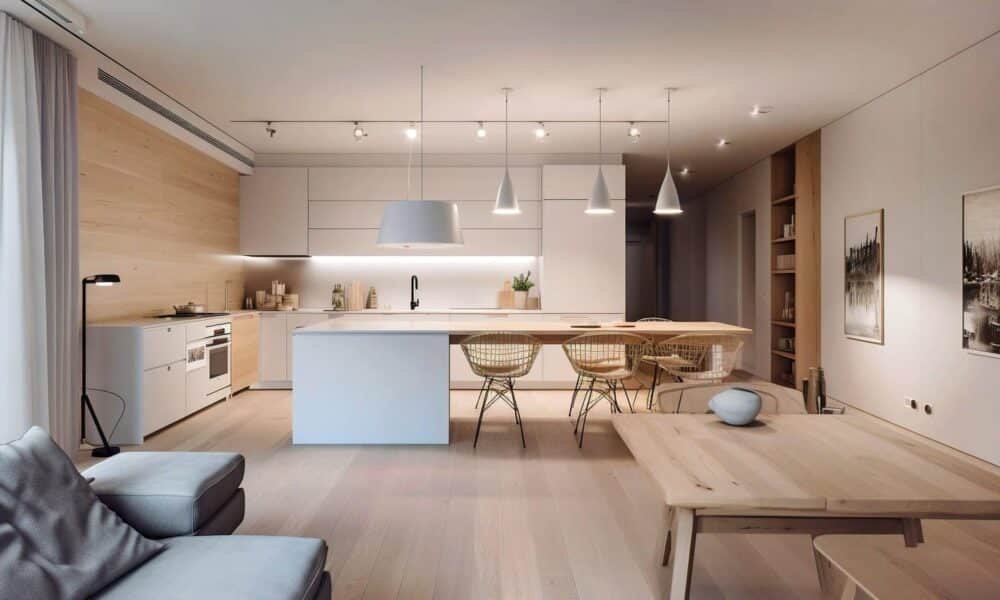
Kitchen fixtures are among the most utilized items in your home. From turning the faucet on numerous times a day to scrubbing the sink each night, these elements play a vital role in daily life. When people inquire about which fixtures are best for a kitchen, the answer is not limited to a specific brand or style. It’s about finding fixtures that suit your cooking habits, cleaning routines, and the layout of your space. This guide explores faucets, sinks, lighting, and finishes, detailing the specifications that truly matter while highlighting where investing more is justified. Ultimately, selecting the right fixtures is best for kitchen functionality and design, making them the fixtures best for kitchen use. The right fixtures are essential for a kitchen.
Table Of Content
- The Short Answer: What Fixtures Are Best for Kitchen Use
- Spend Where Your Hands Go: A Better Way to Prioritize
- Kitchen Faucets: The Fixture You’ll Notice Most
- Pull-down vs pull-out vs standard
- Specs worth checking
- Kitchen Sinks: Material and Mounting Matter More Than Style
- Materials compared
- Mounting type
- Bowl configuration
- Kitchen Lighting Fixtures: Layers Beat Brightness
- Choosing the right bulbs and color
- Under-cabinet and pendant placement
- Finishes: What Holds Up and What Shows Everything
- Real-World Scenarios: Matching Fixtures to the Kitchen
- DIY or Hire a Pro?
- Key Takeaways
- FAQ: People Also Ask
The Short Answer: What Fixtures Are Best for Kitchen Use
When evaluating the best fixtures for kitchen tasks, consider your specific needs and preferences.
Understanding which fixtures are best for kitchen settings can transform your cooking experience.
When considering options, remember that the right fixtures is best for kitchen efficiency and design, and the fixtures best for kitchen convenience is essential.
The most effective fixtures for kitchen use should be selected based on functionality.
Keep in mind that the best fixtures is best for kitchen convenience and overall performance, making your cooking experience seamless. Always consider fixtures best for kitchen use to elevate your space.
Choosing fixtures that are best for kitchen use can enhance your culinary efficiency.
If you want the quick version, here’s what holds up well in most American kitchens:
Fixtures Best for Kitchen
Exploring various fixtures best for kitchen functionality ensures optimal performance.
These selections are some of the best fixtures for kitchen environments.Consider these fixtures best for kitchen use when planning your space.Each of these fixtures is best for kitchen convenience and efficiency.Investing in quality fixtures best for kitchen maintenance pays off over time.Durable choices are essential for the best fixtures for kitchen settings.Effective lighting fixtures best for kitchen areas can enhance both style and function.
| Fixture | Strong all-around choice | Why |
|---|---|---|
| Faucet | Single-handle pull-down with a ceramic disc cartridge | One-hand operation, reliable seal, easy rinsing |
| Sink | 16- or 18-gauge stainless steel or granite composite, undermount | Durable, forgiving, easy to wipe crumbs straight in |
| Lighting | Layered LED: recessed or ceiling, under-cabinet, pendants | Removes shadows where you work |
| Finish | Brushed stainless, brushed nickel, or a PVD-coated finish | Hides water spots and fingerprints, resists wear |
Those are defaults, not rules. A 1970s ranch with laminate counters, hard water, and a galley layout needs different choices than a new build with a large island.
Fixtures best for kitchen designs can vary based on personal taste and utility.
Spend Where Your Hands Go: A Better Way to Prioritize
Spend wisely on the fixtures best for kitchen applications to ensure long-lasting use.
When evaluating options, consider that the best fixtures is best for kitchen setups can greatly enhance your efficiency.
A useful way to decide which fixtures are best for your kitchen is to rank them by how often you physically touch them.
- Faucet: Touched constantly. Cartridge quality and handle feel matter every day.
- Sink: Takes impact from pots, heat, and scrubbing.
- Cabinet hardware: Pulled on hundreds of times a week.
- Light switches and dimmers: Used daily, but rarely fail.
- Light fixtures themselves: Mostly seen, not touched.
Put the most money into the top of the list. Budget pendants can look great for years. A budget faucet with a plastic cartridge usually starts dripping or wobbling first.
Kitchen Faucets: The Fixture You’ll Notice Most
Prioritize the fixtures best for kitchen usability in every design decision you make.
For true functionality, the fixtures is best for kitchen use must be prioritized in your design.
Pull-down vs pull-out vs standard
- Pull-down: The sprayer head pulls straight down into the sink. It’s best for deep sinks and rinsing large pots, and it’s the most popular style for good reason.
- Pull-out: The head pulls toward you. It works better with shallow sinks and lower window clearance.
- Standard spout with side sprayer: Fine for tight budgets, but the separate sprayer hose is a common leak point.
Specs worth checking
- Cartridge: Ceramic disc cartridges resist wear and drips better than older compression or ball designs.
- Body material: Solid brass or stainless bodies generally outlast plastic or zinc-heavy construction.
- Spout height and reach: A tall gooseneck is great for filling stockpots, but check the clearance under upper cabinets and window sills. The spout should aim near the center of the drain, not at the back edge of the bowl.
- Hole count: Your sink or countertop has one to four holes. A single-hole faucet can cover extra holes with a deck plate, but plan ahead if you want a separate soap dispenser or filtered water tap.
- Flow rate: Federal rules cap new kitchen faucets at 2.2 gallons per minute. Some models add a boost mode for filling pots.
Touchless faucets are convenient when your hands are covered in raw chicken. The trade-offs are batteries or a nearby outlet, occasional sensor misfires, and more parts to fail. If you choose one, make sure it can also be operated manually.
For style ideas and real-world comparisons, see our roundup of farmhouse sink faucets. It includes practical notes on coordinating finishes with the rest of your kitchen.
Kitchen Sinks: Material and Mounting Matter More Than Style
The choice of sink material is critical since the right fixtures is best for kitchen maintenance and usability.
Choosing the right fixtures best for kitchen efficiency will streamline your workflow.
Materials compared
- Stainless steel: The most common choice for a reason. It’s affordable, heat-tolerant, and hard to crack. Gauge measures thickness, and a lower number means thicker steel, so 16-gauge is sturdier than 20-gauge. Look for sound-dampening pads if noise bothers you.
- Granite composite: Hides scratches and water spots, with a quieter feel and a matte look. Dark colors can show hard-water residue.
- Fireclay: Traditional farmhouse look with a glossy surface. It’s heavy and can chip if you drop a cast-iron pan.
- Enameled cast iron: Very durable and classic, but heavy, and the enamel can chip.
Our guide to kitchen sink materials goes deeper on each option, and if you’re drawn to a darker look, this matte black undermount sink guide covers what to expect.
Mounting type
-
- Undermount: Sits below the counter so you can wipe crumbs straight in. It requires a solid surface like granite, quartz, or solid-surface material.
Opt for fixtures best for kitchen comfort and ease of use.
- Drop-in (top-mount): Rests on the counter with a visible rim. It works with laminate and is easier to replace later.
- Apron-front (farmhouse): Needs a sink base cabinet designed or modified for it. Plan this before ordering cabinets.
Bowl configuration
A large single bowl handles sheet pans and big pots. A double bowl helps if you hand-wash dishes and rinse separately. A 60/40 split is a common middle ground. Bowl depth of roughly 8 to 10 inches suits most people. Much deeper sinks can strain your back.
Kitchen Lighting Fixtures: Layers Beat Brightness
Layer the best fixtures for kitchen lighting for an inviting atmosphere.
One overhead fixture is the most common kitchen lighting mistake. It puts your own shadow directly over the counter you’re working on. The best lighting fixtures for a kitchen work in layers:
Effective lighting is key; the best fixtures is best for kitchen lighting will create an inviting workspace.
- Ambient: Recessed downlights or a flush ceiling fixture for general light.
- Task: Under-cabinet lighting along the counters and focused light over the sink and range.
- Accent: Pendants over an island, or lighting above or inside glass-front cabinets.
Our breakdown of the types of kitchen light fixtures covers each layer in more detail.
Choosing the right bulbs and color
- Go LED. The U.S. Department of Energy notes that LEDs use up to 90% less energy and last up to 25 times longer than traditional incandescent bulbs. Its guide to lighting choices is a helpful reference.
- Color temperature: 2700K feels warm and cozy. Many homeowners prefer 3000K to 4000K in kitchens for a cleaner, crisper light. Keep one color temperature throughout the room so fixtures don’t clash.
- Color rendering (CRI): Look for CRI 90 or higher so food and finishes look true to color.
- Dimmers: Use LED-compatible dimmers to avoid flicker and buzzing.
Under-cabinet and pendant placement
- Mount under-cabinet strips toward the front of the cabinet for even light, but set them slightly back to avoid glare off glossy counters. Our under-cabinet lighting installation guide was written for laundry rooms, but the fixture options and wiring steps are the same in kitchens.
- Island pendants commonly hang about 30 to 36 inches above the countertop. Adjust for ceiling height and sightlines.
- A light-colored backsplash bounces light back into the workspace. It’s one practical reason white backsplash designs stay popular.
Finishes: What Holds Up and What Shows Everything
The finish you choose affects how often you clean, not just how the kitchen looks.
-
- Brushed stainless and brushed nickel: The most forgiving. They hide fingerprints and water spots.
- Polished chrome: Durable and easy to match, but shows every spot.
Durability is key in the fixtures best for kitchen environments.
- Matte black: Striking, but it can show mineral deposits and soap residue, especially with hard water. Test your water hardness before committing.
- Brass and gold tones: Warm and on-trend. Unlacquered brass develops a patina on purpose, which some people love and others don’t.
- PVD (physical vapor deposition) coatings: A factory-applied finish that resists scratches and tarnishing better than many standard coatings. It’s worth paying for on faucets.
Coordinating finishes: Mixing two metals, such as a stainless sink with brass lighting and hardware, usually looks intentional. Three or more can start to feel random. If you’re updating cabinets at the same time, factor hardware finishes into the plan. Our cabinet refacing cost guide shows how hardware fits into a refresh budget.
Choosing the right finishes ensures that the fixtures is best for kitchen wear and upkeep over time.
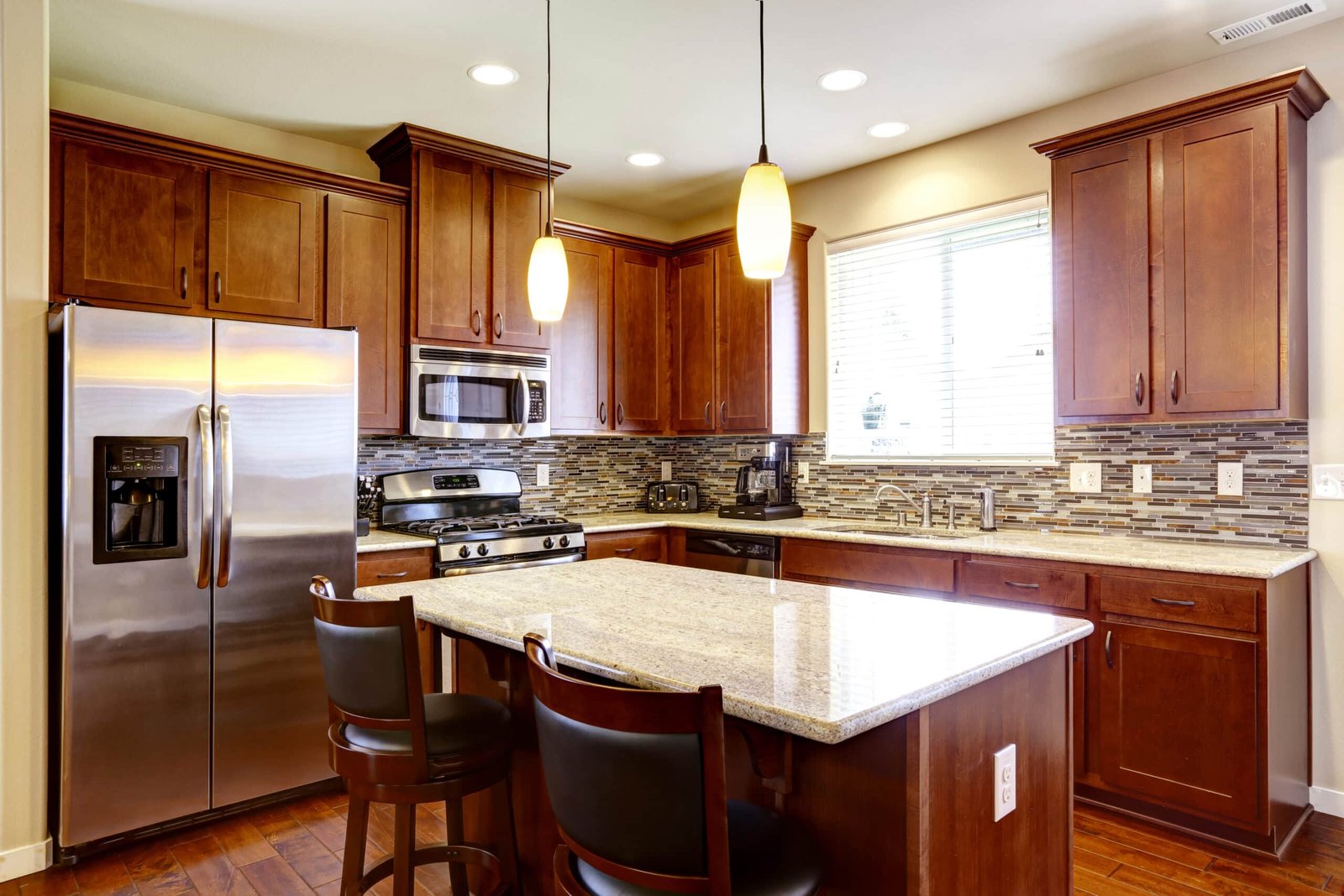
Real-World Scenarios: Matching Fixtures to the Kitchen
Busy family kitchen: A single-bowl stainless undermount sink, a pull-down faucet with a ceramic cartridge in a brushed finish, and bright under-cabinet task lighting. Prioritize durability over trend.
Resale refresh: A neutral brushed finish, a standard stainless sink, LED recessed lighting, and a mid-range faucet from a brand with accessible replacement parts. Buyers notice worn fixtures more than designer names.
Home cook who entertains: A deep single bowl, a tall pull-down faucet, possibly a pot filler, dimmable pendants over the island, and high-CRI task lighting.
Hard-water home: Avoid glossy dark finishes. Choose brushed finishes and faucets with easy-to-clean rubber spray nozzles.
DIY or Hire a Pro?
-
- Faucet swap: Very DIY-friendly for most homeowners with basic tools.
- Drop-in sink replacement: Manageable DIY if the new sink matches the old cutout.
- Undermount sink: Usually handled by the countertop fabricator or installer.
General maintenance is easier with the best fixtures for kitchen use.
- New hardwired lighting: Hire a licensed electrician. Permits are often required, and requirements vary by city.
Costs vary widely by region, product tier, and whether the job involves new wiring or countertop work, so compare itemized quotes.
Key Takeaways
The features of the fixtures best for kitchen designs should enhance your lifestyle.
-
- The best fixtures for a kitchen are the ones that match how you cook, clean, and live, not just the latest trend.
- Spend the most on what you touch most: the faucet and sink.
- Look for ceramic disc cartridges, solid brass or stainless faucet bodies, and correct spout reach.
The fixtures is best for kitchen experiences should blend style with everyday functionality.
- Choose sink material and mounting type based on your countertop and cooking habits.
- Layer LED lighting with ambient, task, and accent fixtures, and keep color temperature consistent.
- Brushed finishes are the most forgiving, especially if you have hard water.
FAQ: People Also Ask
Which fixtures are best for a kitchen remodel on a budget?
Put your money into a quality faucet and a durable stainless sink first. Save on light fixtures and hardware, where mid-range options perform well.
Ultimately, the fixtures is best for kitchen layouts will depend on your unique preferences and needs.
What is the most durable kitchen faucet finish?
PVD-coated finishes generally resist scratching and tarnishing best. Brushed stainless and brushed nickel are also durable and hide wear well.
Ultimately, the fixtures best for kitchen functionality are the most beneficial.
Is a single or double kitchen sink better?
A single bowl handles large pots and sheet pans better. A double bowl suits people who hand-wash and rinse separately. A 60/40 split is a popular compromise.
What color temperature is best for kitchen lighting?
Many homeowners choose between 3000K and 4000K for a clean, bright light. Choose 2700K for a warmer feel. Whatever you pick, keep it consistent across all fixtures.
How high should pendant lights hang over a kitchen island?
A common guideline is about 30 to 36 inches above the countertop. Adjust for your ceiling height and for the sightlines of anyone sitting or standing nearby.
Are touchless kitchen faucets worth it?
They’re convenient for messy cooking and help keep handles clean. The trade-offs are power requirements and more parts that can fail, so choose a model with manual override.
In conclusion, the fixtures is best for kitchen renovations must be carefully considered to maximize enjoyment and utility.
Prioritize the fixtures best for kitchen renovations to ensure satisfaction.
Should kitchen fixtures all match?
Not necessarily. Mixing two finishes usually looks intentional. Keep the faucet and sink accessories consistent, and use lighting or hardware for contrast.
Fixtures best for kitchen aesthetics should be chosen with care.
What gauge stainless steel sink is best?
16- or 18-gauge sinks are sturdier and quieter than thinner 20- or 22-gauge models. Remember, a lower gauge number means thicker steel.
Remember, the right fixtures best for kitchen use will elevate your cooking experience.