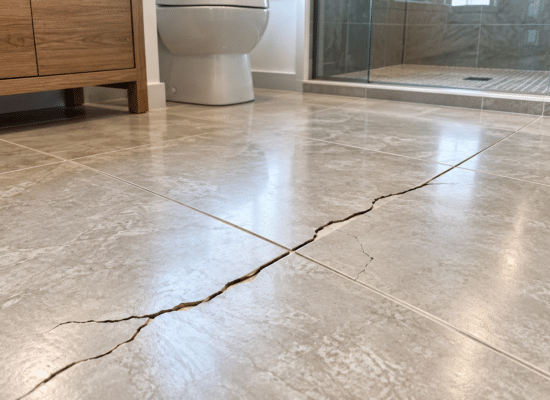




A floor can look perfectly ordinary while carrying a renovation risk that deserves your full attention. Asbestos tile safety is less about panicking over an older floor and more about knowing when to leave it alone, when to test it, and when a project needs trained help before the first tool comes out.
Table Of Content
Understanding asbestos tile safety is critical for homeowners dealing with renovations in older homes.
For many homeowners, the key decision is surprisingly simple: intact suspected asbestos flooring is often safer left in place than disturbed during a rushed DIY demolition. The risk comes from airborne fibers released when asbestos-containing materials are cut, drilled, sanded, scraped, or broken apart.
Ensuring asbestos tile safety means knowing how to manage and maintain existing flooring.
Why older tile needs a safety check
Asbestos was used in many building products for decades because it resisted heat, fire, and wear. In residential flooring, it may be present in vinyl composition tile, sheet flooring backing, black adhesive sometimes called mastic, and certain resilient flooring products. Homes built before the 1980s deserve extra caution, but age alone cannot confirm whether a material contains asbestos.
For homeowners, prioritizing asbestos tile safety can prevent significant hazards and future costs.
A common example is the 9-by-9-inch floor tile found in some mid-century homes. These tiles can contain asbestos, but so can other sizes and styles. Color, pattern, thickness, and the date a prior owner remembers installing the floor are useful clues, not proof.
That distinction matters because you cannot identify asbestos by looking at it. A tile might be old and harmless from an asbestos standpoint, while a newer-looking floor may have been installed over older materials that are still underneath. Treat a suspicious floor as potentially asbestos-containing until a qualified inspection or laboratory test says otherwise.
Awareness of asbestos tile safety guidelines helps in making informed decisions about flooring.
The first rule of asbestos tile safety: do not disturb it
An intact floor with no crumbling edges, loose pieces, or major water damage may not require removal. In many cases, homeowners can safely manage the situation by keeping the surface in good repair or covering it with a compatible new floor. This approach, called encapsulation or enclosure depending on the method, avoids the dust created by demolition.
Maintaining good practices in asbestos tile safety allows homeowners to feel secure in their living spaces.
For example, a stable old vinyl tile floor may be covered with certain floating floors, new vinyl, or another approved flooring system after proper preparation. The right choice depends on the floor’s condition, height transitions at doors, moisture levels, and the installation requirements of the new product. A flooring professional can help determine whether the old floor is a suitable base.
Do not assume covering is always the lower-cost route. A floor with widespread damage, poor adhesion, moisture problems, or an uneven surface can cause trouble for the new installation. Still, when suspected asbestos material is sound, covering it is often worth pricing alongside removal before making a decision.
Considering asbestos tile safety during renovations protects not only the structure but also the inhabitants.
Avoid any work that could turn the material into dust. That includes sanding tile or adhesive, grinding high spots, using a power scraper, drilling through the floor, dry sweeping debris, or using a standard household vacuum after breakage. Renovation shortcuts can turn a manageable flooring question into a larger cleanup and exposure concern.
When testing makes sense before a project
Assessing the need for professional help is a key aspect of maintaining asbestos tile safety.
Testing is most useful when your planned work will disturb the flooring or the layers below it. You may need answers before replacing flooring, remodeling a kitchen or bathroom, moving walls, installing new plumbing, repairing subfloor damage, or cutting into a floor for electrical work.
Hire a qualified asbestos inspector or licensed testing professional to collect samples when possible. Sampling itself can release fibers if it is done carelessly, so this is not the place for an improvised home test kit and a utility knife. A professional can identify which materials should be sampled, including tile, sheet flooring backing, and adhesive, then send them to an accredited laboratory.
Keeping records of asbestos tile safety inspections can aid future renovations and safety assessments.
Get the written results and keep them with your home records. They can help you compare contractor bids accurately and prevent a future installer from making assumptions about what is underfoot. If results are negative, you can plan your renovation with more confidence. If they are positive, you have a clear basis for deciding whether to protect the material in place or arrange removal.
Testing does not always mean the entire room needs to be sampled tile by tile. Flooring is often installed in batches, but a qualified inspector should decide the sampling plan. Mixed materials and multiple remodels can complicate the picture, especially in older homes that have seen several layers of flooring over the years.
Developing an understanding of asbestos tile safety can save time and money in the long run.
Signs it is time to call an asbestos professional
Professional help is the sensible route when the floor is damaged, a renovation requires removal, or the suspected material is in an area with active moisture problems. Cracked and lifting tiles, deteriorated sheet flooring, a failed adhesive layer, and water-damaged subflooring all increase the chance that work will disturb the material.
Recognizing signs of damage is crucial for ensuring ongoing asbestos tile safety.
Removal is also a better choice when the project involves more than flooring. If a contractor needs to remove cabinets, open walls, replace plumbing, or repair structural framing, the work can affect hidden layers and create conditions that are difficult to control in an occupied home.
Ask prospective contractors whether they are properly licensed for asbestos work in your state and locality, whether they use trained workers, and how they handle containment, cleanup, disposal, and required notifications. Rules vary by state, county, and city. Some areas allow limited homeowner work under specific conditions, while others have stricter requirements, particularly for larger projects or disposal.
Inquiring about asbestos tile safety practices demonstrates caution when hiring contractors.
Price is not the only comparison point. A low removal bid that is vague about containment or disposal can become expensive if the job creates a cleanup problem. Request a written scope that identifies the materials being addressed, the room or square footage, preparation steps, disposal responsibility, and any final clearance or air-testing process required for the project.
What homeowners can do while they decide
Staying informed about asbestos tile safety allows homeowners to make better decisions.
If you have a suspected asbestos floor and no immediate renovation planned, keep the area clean using gentle methods that do not abrade the surface. Place mats at exterior doors to reduce grit, since tracked-in dirt can wear down older flooring over time. Repair minor damage only after getting professional advice about the material and repair method.
If a few tiles have already broken or come loose, keep children and pets away from the area, avoid sweeping or vacuuming the debris with ordinary equipment, and contact a qualified local professional for next steps. Do not try to make the problem disappear by sanding the area smooth or pulling up additional tiles to see what is underneath.
Adopting measures for asbestos tile safety can prevent unnecessary health risks.
You should also tell contractors about any known or suspected asbestos flooring before they begin unrelated work. A plumber repairing a leak, for instance, may need to access a floor section. Sharing the information early helps them plan safely and avoids a costly stop-work surprise once the job is underway.
Plan the flooring upgrade around the full cost
Planning with an awareness of asbestos tile safety can streamline renovation processes.
When asbestos is part of a flooring project, build your budget in the right order: testing or inspection first, then removal or covering decisions, subfloor repairs if needed, and finally the cost of the new flooring. Skipping the early investigation may make an initial estimate look attractive, but it can create expensive change orders after demolition starts.
It also helps to separate cosmetic wants from necessary work. If you want a new kitchen floor but the existing material is stable, covering it may preserve more of your budget for cabinets, lighting, or appliances. If there is water damage or a failing subfloor, removal and repair may be the smarter investment because the underlying issue will affect any new finish floor.
Ensuring asbestos tile safety is an ongoing responsibility that homeowners must take seriously.
A suspected asbestos tile floor does not have to freeze your renovation plans. The practical path is to pause before disturbance, get reliable information, and choose the option that protects your household as well as your project budget. That is the kind of careful planning that keeps your next house project moving forward with fewer surprises.
Ultimately, asbestos tile safety will help guide homeowners towards a safer living environment.