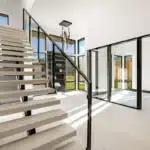


The entryway has one of the toughest jobs in the house. It needs to welcome guests, catch daily clutter, and survive wet shoes, backpacks, dog leashes, and the rush out the door. Learning how to choose entryway furniture means balancing all of that before falling for a pretty console table that leaves no place to sit or store a single pair of boots. Understanding how to choose entryway furniture is essential for creating a functional space.
Table Of Content
- Start With Your Entryway’s Real Job
- Tips on How to Choose Entryway Furniture
- Measure the Space Before You Shop
- Choose Height With the Wall in Mind
- Match the Furniture to the Storage Problem
- Choose Materials That Can Handle Daily Use
- Build a Cohesive Look Without Buying a Matching Set
- Set a Budget Around the Pieces You Will Use Most
- Common Entryway Furniture Mistakes to Avoid
The right pieces make a small pass-through feel organized and intentional. The wrong ones can turn a useful square of floor into a daily traffic jam. Start with the way your household actually comes and goes, then buy furniture that solves those specific problems.
When considering how to choose entryway furniture, think about your overall style and how it complements your home.
Start With Your Entryway’s Real Job
Before measuring or shopping, take stock of what piles up at the door. A front entry used mostly for greeting visitors has different needs than the mudroom-style entrance your family uses ten times a day.
By exploring how to choose entryway furniture, you can ensure that your space is both welcoming and practical.
For a formal front hall, a narrow console, mirror, and small catchall tray may be enough. A busy family entrance often needs a bench, closed shoe storage, hooks, and a durable landing spot for keys and mail. If your entry opens directly into the living room, furniture also has to help define the transition without making the main living space feel crowded.
Be honest about the habits you are designing around. If everyone drops coats on dining chairs, a decorative wall hook will not fix the issue. You may need several sturdy hooks, a cabinet, or a hall tree with enough capacity for the whole household.
Tips on How to Choose Entryway Furniture
Measure the Space Before You Shop
Entryways are often narrow, and even a few extra inches of furniture depth can make a major difference. Measure wall width, floor depth, ceiling height, door swings, closet doors, nearby stairs, and the clear route from the front door into the home.
Measuring your space is a critical step in how to choose entryway furniture effectively.
As a general rule, aim to keep at least 30 to 36 inches of open walking space. In a particularly tight hallway, choose shallow furniture rather than trying to force in a full-depth bench or dresser. Console tables around 10 to 14 inches deep are often a practical fit, while many standard storage benches run 16 to 20 inches deep.
Also measure the open front door. A bench, cabinet, or basket that interferes with the door swing will be frustrating from day one. Mark furniture footprints on the floor with painter’s tape before ordering. This quick step reveals whether a piece looks proportionate and whether people can comfortably pass one another while carrying groceries.
Choose Height With the Wall in Mind
In addition, consider how to choose entryway furniture that reflects the height of your walls.
Furniture should look connected to the wall rather than lost against it. A low bench beneath a large blank wall can benefit from hooks, framed art, or a mirror above it. A console table usually looks best with a mirror or artwork that is visually narrower than the table itself.
If you are adding wall hooks, place them at heights the people using them can reach. A second lower row is useful for children, but do not place hooks where a hanging bag will block the walkway or hit someone entering the home.
Match the Furniture to the Storage Problem
The most effective entryway setup is rarely a single oversized piece. It is usually a small combination of furniture and wall storage that handles shoes, outerwear, bags, and everyday essentials without looking overbuilt.
A storage bench works well when people need a place to put on shoes. Look for one with a seat height around 17 to 19 inches, similar to a dining chair. Lift-top benches hide clutter, but open cubbies are often easier for children and faster during busy mornings. The trade-off is that cubbies require regular tidying if you want the entry to stay polished.
A console table is better for a visitor-facing foyer or a narrow entry where sitting is not a priority. Drawers are useful for keys, sunglasses, dog-waste bags, and mail, while an open lower shelf can hold baskets. Avoid choosing a console simply because it has many drawers if its depth crowds the path through the room.
Knowing how to choose entryway furniture that serves both functionality and style is key to a successful entryway.
A hall tree offers the most all-in-one function, combining hooks, seating, and shoe storage. It can be a smart choice in a hardworking family entry, but it has visual weight. In a small or open-concept space, a hall tree may make the room feel more cramped than separate, lighter-looking pieces.
For very tight entries, wall-mounted solutions can do more with less floor space. A slim shelf with hooks below, a wall-mounted shoe cabinet, and a mirror may provide everything you need. Secure heavy pieces to wall studs or use the manufacturer’s recommended anchors, especially in homes with young children or pets.
Wall-mounted solutions are important when learning how to choose entryway furniture for small spaces.
Choose Materials That Can Handle Daily Use
Entryway furniture takes more abuse than occasional-use furniture in a guest room. Wet umbrellas, salt-streaked boots, muddy paws, and dropped bags all test the finish.
When choosing materials, think about how to choose entryway furniture that can withstand heavy use.
Solid wood and quality wood veneer can be durable choices, especially when finished with a protective topcoat. They are easier to refinish or touch up than many budget materials. Engineered wood can be a cost-effective option for enclosed shoe cabinets and cubbies, but check the product details carefully. Thin laminate edges and unsealed particleboard can swell when exposed to repeated moisture.
Metal frames are durable and easy to wipe down, though they can feel cold or industrial depending on the rest of the home. Upholstered benches add comfort, but choose performance fabric, washable covers, or a dark, textured material if the bench will be used by kids, pets, or anyone coming in from rainy weather.
A washable rug or indoor-outdoor runner is furniture’s best supporting player. It protects flooring, softens noise, and helps define the entry zone. Make sure the rug has enough clearance for the door and use a non-slip pad to reduce movement.

Build a Cohesive Look Without Buying a Matching Set
Matching furniture sets can make planning easier, but they are not required. In fact, an entry often looks more collected when the bench, console, mirror, and baskets share a few common elements rather than identical finishes.
Mixing different pieces is part of how to choose entryway furniture that feels curated.
Choose one anchor finish first, such as warm oak, black metal, or painted white cabinetry. Then repeat it in smaller details. A black-framed mirror can connect with black hooks, while natural woven baskets can warm up a painted bench. This approach gives you room to use a vintage piece, a budget cabinet, or a DIY-painted bench without creating a mismatched look.
Scale matters as much as style. A chunky farmhouse bench can overwhelm a narrow contemporary entry, while a thin-legged console may disappear against a large two-story foyer. If your home has traditional trim and warm flooring, wood furniture with softer edges may feel natural. For a newer home with cleaner lines, streamlined storage and simple hardware can keep the entry from looking busy.
As you consider scale, remember how to choose entryway furniture that fits your entryway dimensions.
Set a Budget Around the Pieces You Will Use Most
It is easy to spend the entire budget on a statement console and then settle for flimsy shoe storage. Put your money toward the item that will receive the most daily wear.
Setting a budget is essential when learning how to choose entryway furniture that meets your needs.
For a household entry, that may be a solid bench or a sturdy shoe cabinet with reliable hardware. Decorative accessories, baskets, and mirrors can be upgraded later. If you are working with a limited budget, consider a simple DIY approach: repaint a secondhand bench, add wall hooks, and use matching bins underneath. The result can be more useful than an expensive piece that offers no storage.
When comparing prices, account for delivery fees, assembly time, and return policies. Flat-pack furniture may cost less upfront, but it is not always the best value if it will loosen or chip after a season of heavy use. On the other hand, paying more for solid wood is not necessary for an entry that sees only occasional guest traffic. The right investment depends on use, not just appearance.
Common Entryway Furniture Mistakes to Avoid
Avoiding common mistakes is crucial for mastering how to choose entryway furniture that works for your family.
The biggest mistake is furnishing for a photo instead of a routine. A narrow entry does not need three decorative tables, and a family of five does not need a single tiny basket for shoes.
Avoid blocking vents, outlets, doors, and light switches with furniture. Skip open shoe racks if seeing a row of mismatched sneakers will bother you every time you walk in. And resist filling every wall. Empty space makes a compact entry easier to navigate and gives the pieces you do choose more impact.
Finally, plan for the awkward items that do not fit neatly in a drawer: umbrellas, tall boots, sports gear, reusable bags, and packages waiting to go out. One tall basket, covered bin, or designated closet shelf can prevent these items from taking over the floor.
A well-chosen entryway does more than create a good first impression. It removes a few small friction points from every day, which is often the home upgrade you notice most. Start with the traffic pattern, give clutter a specific home, and leave enough room for everyone to walk through the door comfortably.
In the end, how to choose entryway furniture is a rewarding process that can elevate your home’s first impression.
Now that you’ve learned how to choose entryway furniture, enjoy crafting a space that reflects you.
Finally, remember that how to choose entryway furniture can transform your space into a more welcoming area.
Thus, understanding how to choose entryway furniture will lead to a well-organized and inviting entryway.
Ultimately, how to choose entryway furniture is not just about aesthetics but also about practicality.
With careful consideration, you can master how to choose entryway furniture that elevates your space.
In summary, knowing how to choose entryway furniture is essential to enhancing your home’s entry experience.
Lastly, practice how to choose entryway furniture as an ongoing journey of style and functionality.
As you finalize your selections, reflect on how to choose entryway furniture that harmonizes with your home’s decor.
Remember, each piece should contribute to your understanding of how to choose entryway furniture effectively.
Once you have decided how to choose entryway furniture, enjoy the transformation of your space.
Finally, the most important aspect of how to choose entryway furniture is ensuring it meets your everyday needs.
In conclusion, understanding how to choose entryway furniture is key to a beautiful and organized entryway.
By following these guidelines, you will master how to choose entryway furniture that suits your lifestyle.
Reflect on how to choose entryway furniture that not only fits your style but also enhances the flow of your home.
Ultimately, knowing how to choose entryway furniture allows you to create a space that is welcoming and functional.