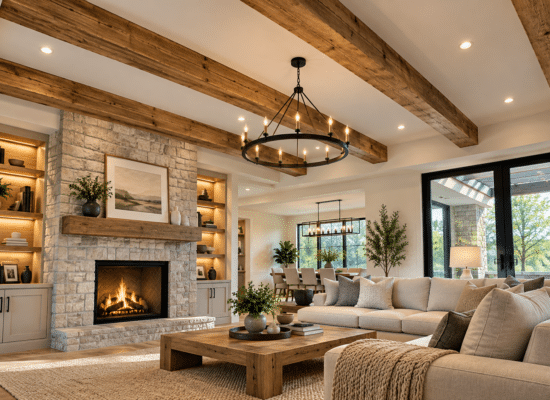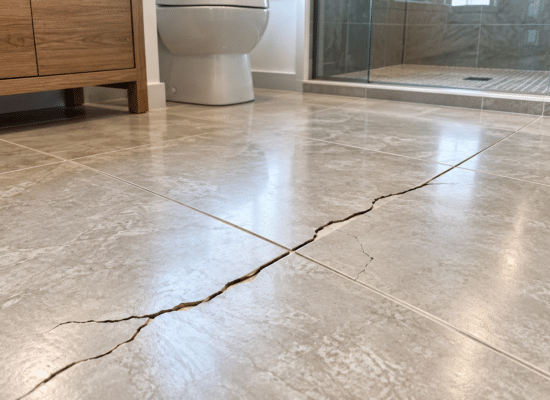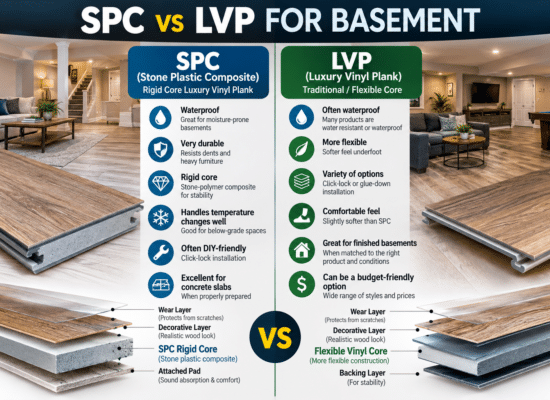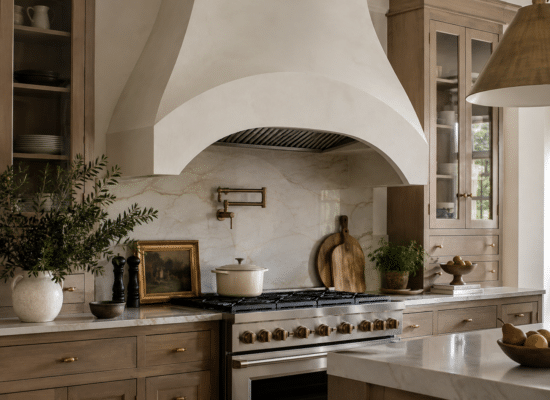



A new floor can change how an entire room feels, but the wrong choice can leave you managing scratches, swelling, or a budget that got away from you. In the laminate versus hardwood flooring decision, the best answer comes down to where the floor is going, how your household lives, and whether you prioritize a lower upfront price or a material that can last for generations. When considering laminate versus hardwood flooring, it’s important to assess your lifestyle needs.
Table Of Content
Both options can give a home the warm, wood-look finish many homeowners want. They are not interchangeable, though. Laminate is a manufactured floating floor built for affordability and everyday durability. Hardwood is real wood, valued for its natural character, long service life, and ability to be refinished.
Understanding laminate versus hardwood flooring is vital for making an informed choice.
Laminate Versus Hardwood Flooring at a Glance
Laminate versus hardwood flooring presents options that vary in construction and appeal. Laminate flooring is made from a high-density fiberboard core topped with a photographic wood image and a clear wear layer. Better-quality products can look surprisingly convincing, especially from standing height, but the grain pattern is printed rather than natural wood. Most planks click together and float over an underlayment, which makes installation faster and more approachable for an experienced DIY homeowner.
Solid hardwood flooring is milled from a single piece of wood, such as oak, maple, hickory, or walnut. Each board has genuine grain variation, knots, and color movement. It is typically nailed or stapled to a wood subfloor, then may be finished on site or purchased prefinished. That installation method, along with the material cost, is a major reason hardwood is the bigger investment.
If you want a quick rule of thumb, laminate usually wins on initial cost, scratch resistance, and DIY-friendly installation. Hardwood wins on longevity, repairability, authentic appearance, and resale appeal.
When you weigh laminate versus hardwood flooring, consider how each option aligns with your design goals.
Cost: What Homeowners Can Expect to Pay
For many projects, price is the starting point. Laminate materials commonly run about $1 to $4 per square foot, with premium water-resistant styles reaching higher. Hardwood professional installation often brings a typical total to roughly $4 to $10 per square foot after underlayment, trim work, floor preparation, and labor.
Solid hardwood materials often cost about $4 to $12 or more per square foot, depending on species, board width, grade, and finish. Installed costs commonly land around $8 to $20 per square foot, and can climb beyond that for wide-plank hardwood, intricate layouts, difficult tear-outs, or on-site finishing.
Those ranges are planning numbers, not a final quote. A level room with an intact subfloor costs far less to floor than a room that needs old tile removed, damaged subfloor replaced, or door jambs trimmed. Ask installers whether their estimate includes furniture moving, demolition, moisture testing, transitions, baseboard work, and waste material. Those details can shift a flooring budget by thousands of dollars.
Hardwood also has a long-term cost advantage worth considering in the laminate versus hardwood flooring debate. A solid wood floor can often be sanded and refinished several times. Laminate cannot be refinished. When its surface is badly worn, chipped, or water-damaged, replacement is usually the practical fix.
Durability Depends on the Threat
Laminate has a tough factory wear layer that handles routine scuffs, pet claws, and kid traffic well. That makes it a smart pick for busy family rooms, hallways, and bedrooms where you want the wood look without worrying over every dropped toy. Look for a reputable product with a strong abrasion-class rating and a warranty that fits the room’s use.
Its weak point is the core. Water that seeps through open seams or reaches an exposed edge can cause fiberboard to swell. Once a plank swells, it does not flatten back out. Water-resistant laminate gives you more time to clean up spills, but it should not be treated as waterproof unless the manufacturer specifically says so and the installation instructions support that use.
Hardwood can scratch and dent more easily than laminate, particularly softer species such as pine or cherry. High-traffic homes do better with tougher choices like white oak, hickory, or maple and a durable factory finish. Yet a scratch in real wood is often less visually jarring than damage to a printed surface because the material beneath is still wood. Small marks can blend into the floor’s natural character, while larger damage can be repaired or refinished.
This aspect is crucial when deciding between laminate versus hardwood flooring.
Hardwood is not a carefree water-flooring choice either. Standing water, plumbing leaks, and high humidity can cause cupping, staining, or gaps between boards. It belongs in dry, climate-controlled areas, not full bathrooms, laundry rooms with leak risk, or below-grade basements.
Where Each Floor Works Best
The decision of laminate versus hardwood flooring can impact both aesthetics and functionality.
Laminate is often the practical choice for bedrooms, upstairs halls, playrooms, and main living spaces where budget matters and moisture exposure is limited. It can also work well in a finished basement if the product is approved for below-grade installation and the slab passes moisture testing. Always follow the flooring manufacturer’s underlayment and vapor-barrier requirements.
Hardwood is especially at home in living rooms, dining rooms, entries, and primary bedrooms. It creates a continuous, established look that suits both traditional homes and clean-lined contemporary spaces. A hardwood floor can be a strong choice for an open main level because it can remain in place through future paint changes, cabinetry updates, and furniture swaps.
For kitchens, the decision of laminate versus hardwood flooring is more personal. Laminate is easier to live with when you have frequent spills, but seams still need attention. Hardwood brings warmth and can be restored after years of use, but it requires quick cleanup and sensible protection near the sink, dishwasher, and exterior doors. Rugs with non-slip pads help either floor.
Installation: DIY Savings Versus a Permanent Investment
Click-lock laminate is one of the more realistic flooring projects for capable DIYers. The work still requires careful measuring, a flat and clean subfloor, proper expansion gaps, and clean cuts around doors and vents. A rushed installation can lead to separating joints, hollow spots, or buckling. Plan on buying extra material for cuts and keeping a few unopened cartons for future repairs.
Solid hardwood installation is less forgiving. The subfloor must be sound, dry, and flat, and the wood needs time to acclimate to the home’s conditions. Installers use specialized nailers and must account for board layout, fastener placement, and seasonal expansion. Many homeowners can handle removal, trim work, and cleanup, then hire a flooring professional for the installation itself.
Ultimately, the choice between laminate versus hardwood flooring will depend on personal preferences and practical needs.
Do not overlook the floor height. Laminate plus underlayment may change transitions, while hardwood can affect door clearance, appliance openings, and connections to neighboring rooms. Solve those details on paper before materials arrive.
When considering appearance, laminate versus hardwood flooring shows a contrast in depth and character. A quality laminate floor can look attractive and consistent, and wider planks have helped modern products feel less artificial than older versions. Still, repetitive patterns, bevel details, and the hollow sound of a floating floor can reveal the difference.
A quality laminate floor can look attractive and consistent, and wider planks have helped modern products feel less artificial than older versions. Still, repetitive patterns, bevel details, and the hollow sound of a floating floor can reveal the difference. Choosing boards from several cartons and using the correct underlayment helps create a more natural result.
Hardwood has depth that a printed image cannot fully duplicate. It also changes over time, developing a patina that many homeowners appreciate. Buyers often recognize real hardwood as a premium feature, particularly in established neighborhoods where it fits the home’s style. That does not mean hardwood automatically pays back every dollar spent, but it can strengthen a home’s appeal at resale.
If your house already has hardwood in adjacent rooms, matching or thoughtfully complementing it can be worth the added expense. A patchwork of mismatched flooring may be more noticeable to buyers than choosing a well-installed, durable laminate throughout a separate zone.
How to Make the Right Call
Refining your choice between laminate versus hardwood flooring can lead to enhanced satisfaction with your home.
Choose laminate when you need to control upfront costs, expect heavy daily wear, want a faster installation, or need a project that is realistic to tackle yourself. Spend more for a well-reviewed, water-resistant product rather than the cheapest box on the shelf, especially in a busy home.
Choose solid hardwood when you plan to stay for years, want a floor that can be renewed instead of replaced, and value the real-material look underfoot. It makes the most sense in dry living areas where its character and long lifespan can justify the investment in the laminate versus hardwood flooring discussion.
Before placing an order, bring home samples and look at them in morning light, evening light, and beside your existing trim and furniture. The floor you choose should support the way your household actually lives – and leave room in the budget for the next house project you want to take on. Ultimately, the choice of laminate versus hardwood flooring will enhance your home’s overall appeal.