

A patio can turn an underused patch of yard into the place where dinner runs late, kids spread out craft supplies, and friends naturally gather. But patio installation cost can look very different from one home to the next. A simple ground-level concrete pad may be a manageable project, while a large paver patio with retaining walls, drainage work, and a built-in fire feature can quickly become a major outdoor renovation. Understanding patio installation cost is essential for planning your outdoor space effectively.
Table Of Content
- Average patio installation cost in 2026
- Patio cost by material
- Poured concrete: about $8 to $20 per square foot
- Concrete pavers: about $15 to $35 per square foot
- Natural stone: about $20 to $50 or more per square foot
- Gravel: about $5 to $15 per square foot
- Wood or composite decking: about $20 to $50 per square foot
- What can raise your patio installation cost?
- Size matters, but bigger is not always better
- DIY versus professional patio installation
- How to get a quote you can compare
For most homeowners, the key is not finding the lowest per-square-foot price. It is choosing a material and layout that fit the way you will actually use the space, then getting a quote that accounts for the work below the surface.
When considering your patio installation cost, think about the long-term benefits versus initial expenses. The right choice can significantly enhance your living space.
Average patio installation cost in 2026
The patio installation cost can vary significantly based on materials and design choices, so it’s vital to research and gather information beforehand.
A professionally installed patio typically costs about $10 to $35 per square foot, or roughly $2,000 to $10,000 for a 200- to 300-square-foot patio. Basic poured concrete usually lands at the lower end of the range. Pavers, natural stone, difficult access, grading, and decorative details move the project upward.
For example, if you’re looking for a budget-friendly option, it’s crucial to weigh the overall patio installation cost against the expected durability and maintenance of materials.
For perspective, a modest 12-by-12-foot patio measures 144 square feet. At $12 per square foot, that is about $1,728 before any major site complications. A more finished 20-by-15-foot paver patio at $25 per square foot would be around $7,500.
Furthermore, your patio installation cost may increase with additional features like lighting or seating, which can enhance the usability of your space.
These are planning ranges, not universal price tags. Labor costs, soil conditions, permit requirements, and demand in your area all affect the final number. Contractors in higher-cost metro areas may charge substantially more, particularly for small jobs where mobilization and crew time make up a large share of the estimate.
Patio cost by material
Being aware of how different materials affect patio installation cost helps in making a more informed decision.
Material is the most visible decision, and it strongly shapes both your budget and long-term maintenance. The best choice depends on your climate, home style, expected traffic, and how much upkeep you are comfortable handling.
Poured concrete: about $8 to $20 per square foot
Plain poured concrete is often the most budget-friendly option for a permanent patio. It provides a clean, continuous surface for outdoor furniture and is relatively easy to sweep, rinse, and maintain. A basic gray slab works especially well for a small grilling area or a simple backyard seating zone.
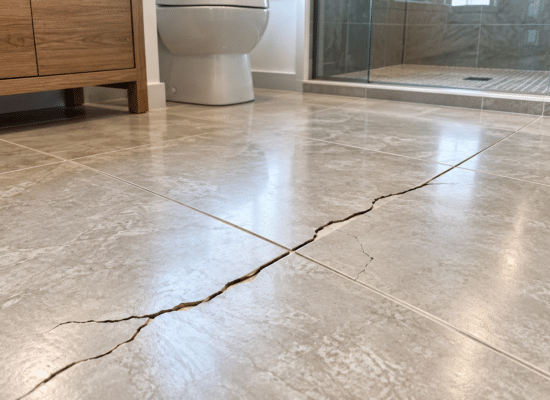
Decorative concrete costs more. Stamping, coloring, exposed aggregate, custom borders, and saw-cut patterns can push installed pricing toward $15 to $30 or more per square foot. Those finishes can create a polished look, but they do not eliminate concrete’s main trade-off: cracks are possible as soil shifts and temperatures change. Proper joints and a sound base help, but they cannot guarantee a crack-free slab forever.
Concrete pavers: about $15 to $35 per square foot
Concrete pavers offer more design flexibility than a slab. You can choose from rectangular, cobblestone-style, large-format, and modern oversized pavers in a wide range of colors. They are also easier to repair selectively because an installer can lift and replace individual units if settling or staining becomes an issue.
The added cost comes from preparation and installation. Pavers need excavation, a compacted aggregate base, bedding sand, edge restraints, and careful leveling. This is not the place to shortcut the foundation. A bargain installation without adequate depth or compaction can lead to uneven surfaces, loose edging, and puddling after a season or two.
Natural stone: about $20 to $50 or more per square foot
Bluestone, flagstone, travertine, slate, and other natural stones bring character that manufactured materials cannot fully copy. They can be a strong fit for traditional homes, garden-focused landscapes, and patios meant to feel connected to the outdoors.
Natural stone pricing varies widely because the material itself, thickness, cut, availability, and installation method all matter. Irregular flagstone may have a more casual look but requires more fitting. Cut stone creates cleaner lines, though it may cost more. Ask about slip resistance and how the stone handles freeze-thaw weather before falling in love with a sample.
Gravel: about $5 to $15 per square foot
A gravel patio is one of the least expensive ways to define an outdoor living area. It drains well, installs quickly, and can look right at home beside a cottage, farmhouse, or informal garden. With edging and a compacted base, it can feel intentional rather than temporary.
Still, gravel is not ideal for every household. Chair legs can sink, loose stones travel into the lawn, and the surface needs occasional raking and topping off. It is often best for low-key sitting areas, fire pit zones, or a cost-conscious first phase of a larger backyard plan.
Wood or composite decking: about $20 to $50 per square foot
A deck is technically different from a patio because it is elevated and framed, but homeowners often compare them for the same backyard space. Decking can be the better solution when the yard slopes sharply, the home’s rear door sits well above grade, or you want a level outdoor floor without extensive excavation.
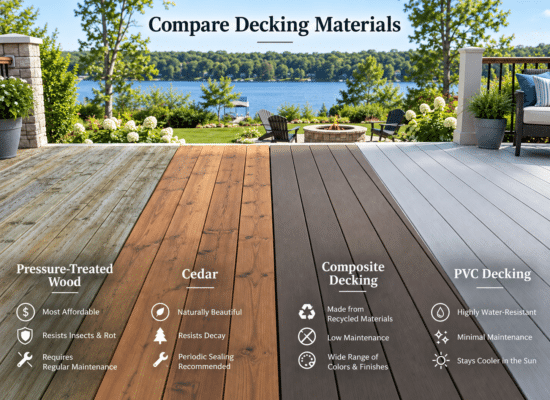
It usually costs more than a ground-level concrete patio because framing, footings, railings, and stairs may be required. Composite decking has a higher upfront price than pressure-treated wood but generally needs less routine refinishing. Compare the complete design, not only the board price.
What can raise your patio installation cost?
Additionally, factors like location and site preparation can heavily influence your patio installation cost, so consider these when budgeting.
The patio surface is only part of the job. The most surprising costs are often tied to the site itself, especially when a backyard needs correction before it can support a finished outdoor space.
Understanding the intricacies of patio installation cost can save you money and stress in the long run.
Site preparation and excavation are major variables. Removing sod is simple; digging through rocky soil, roots, old concrete, or dense clay is not. Contractors may also need to haul away excavated material, which can add disposal fees.
If you choose to DIY, keep in mind that the patio installation cost can quickly escalate if mistakes are made.
Drainage and grading deserve close attention. A patio should slope away from the home so water does not collect against the foundation or flow toward a basement door. If the yard naturally drains toward the house, the contractor may recommend regrading, a drain system, or a retaining solution. That work costs more, but ignoring it can create a much more expensive water problem later.
Access affects labor. A crew that can bring equipment directly into an open backyard works faster than one that must move materials through a narrow side yard, up steps, or through a gated fence. Small patios can also have a higher cost per square foot because setup, delivery, and cleanup still take time.
Patio installation cost should always include potential future repairs and maintenance in your budget considerations.
Borders, curves, steps, and built-ins add visual impact and labor. A square patio is easier to lay out than a curved design with contrasting paver bands. Seat walls, outdoor kitchens, pergola footings, lighting sleeves, and fire pits should be planned before installation, not added as an afterthought.
Size matters, but bigger is not always better
A well-planned design can help keep your patio installation cost within an affordable range while maximizing functionality.
A patio that looks generous on a drawing can feel cramped once a dining table, chairs, grill, and walking space are in place. At the same time, building more square footage than you will use is an easy way to stretch the budget without improving daily life.
Ultimately, knowing the factors that influence patio installation cost will allow you to make informed decisions.
Start with the activity. A small bistro setup may need only 80 to 120 square feet. A dining set for six and a grill often needs 180 to 250 square feet. If you want separate dining and lounging zones, 300 square feet or more may make sense. Leave room to pull out chairs and walk around furniture without stepping into landscaping.
If your budget is tight, consider installing the full base and a simpler finish now, or build the core patio first with a clear plan for a future extension. Just make sure the first phase includes proper drainage and edge details so the addition can connect cleanly later.
DIY versus professional patio installation
As you evaluate your project, keep an eye on the patio installation cost to ensure it aligns with your overall home improvement budget.
A small gravel patio or a simple paver landing can be a realistic DIY project for a homeowner who is willing to measure carefully, rent compaction equipment, and do physical work. The savings can be meaningful because labor often represents a large portion of patio installation cost.
The challenge is that durable patios rely on precision below grade. An uneven excavation, shallow base, poor compaction, or incorrect slope can lead to settling and drainage problems that are difficult to fix once the furniture is in place. Concrete is even less forgiving because placement and finishing happen quickly.
Hiring a professional is usually worth considering for large patios, steep or wet yards, structural retaining walls, electrical or gas features, and any project close to the foundation. For a straightforward job, you may choose a hybrid approach: handle demolition, plant removal, or furniture assembly yourself while leaving base preparation and surface installation to the crew.
How to get a quote you can compare
Request at least three detailed estimates, then compare scope before comparing totals. One contractor may include excavation, base material, haul-away, edging, and polymeric sand while another lists only the pavers and labor. The lower bid is not necessarily the lower project cost.
Ask each contractor to specify the patio dimensions, material brand or stone type, base depth, drainage plan, edge restraint, demolition, permit allowance, and warranty. Confirm who is responsible for repairing lawn or landscape areas affected by equipment access. If a quote seems unusually low, ask what is excluded rather than assuming you found the same job for less.
A well-planned patio is one of the few home projects that can make everyday life feel more spacious without adding a single room. Spend where it matters most – a stable base, thoughtful drainage, and a size that supports your real routines – and you will have an outdoor space that earns its place in the budget for years to come.
Ultimately, ensuring you have a clear understanding of patio installation cost will help you enjoy your new outdoor space without financial stress.