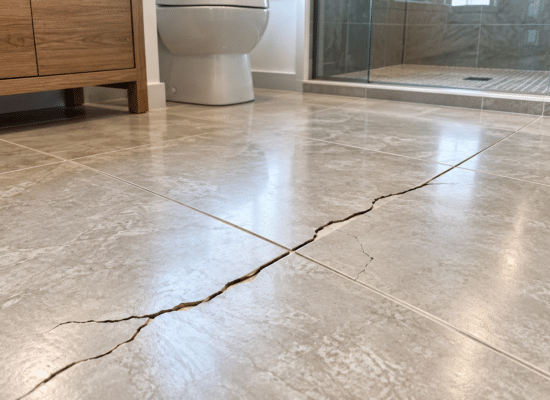




A wet basement rarely starts with a dramatic wall of water. More often, it begins with a musty smell after rain, a damp strip along the foundation wall, or carpet that feels cool and slightly squishy. If you are asking what causes basement flooding, the answer usually comes down to where water is collecting outside your home, how it is moving through the ground, and whether your home has a clear path to send that water away. Understanding what causes basement flooding can help you take preventative measures.
Table Of Content
- What Causes Basement Flooding Most Often?
- 1. Poor grading around the foundation
- 2. Clogged gutters and short downspouts
- 3. Foundation cracks and failed exterior waterproofing
- 4. High groundwater and hydrostatic pressure
- 5. A failed sump pump or no backup power
- 6. Broken plumbing or appliance leaks
- 7. Sewer backups and overloaded municipal systems
- 8. Window wells, exterior stairs, and door openings
- How to Find the Source Before You Repair It
- First Steps When Your Basement Floods
The fastest repairs are not always the right repairs. A fresh coat of waterproofing paint may hide a stain, but it will not solve a downspout that dumps hundreds of gallons beside the foundation. Finding the source first helps you spend your repair budget where it will actually protect the house.
What Causes Basement Flooding Most Often?
Basements sit below grade, which means they are naturally exposed to groundwater, runoff, and pressure from wet soil. During a hard storm, water follows gravity and the easiest available route. If your grading, gutters, foundation drainage, plumbing, or sewer connection has a weak point, the basement may become that route.
A thorough understanding of what causes basement flooding can change how you manage water around your home.
1. Poor grading around the foundation
The soil around your home should slope away from the foundation so rainwater drains into the yard rather than pooling against the walls. A common target is a drop of about 6 inches over the first 10 feet from the house, though landscaping, patios, and local site conditions can affect the best approach.
Over time, soil settles. Mulch builds up, garden borders trap water, and old landscaping can gradually create a shallow bowl around the foundation. When the ground is saturated, water can seep through small cracks, joints, and porous concrete. In severe cases, it can enter where the foundation wall meets the footing.
Regrading is often a practical first fix because it addresses water before it reaches the house. Be careful not to pile soil so high that it covers siding, weep holes, or termite inspection gaps.
2. Clogged gutters and short downspouts
To further understand what causes basement flooding, it’s important to know that regular maintenance can prevent many issues from escalating.
A roof sheds far more water than most homeowners realize. During a heavy downpour, even a modest roof can send a large volume of runoff toward the ground in minutes. If gutters overflow or downspouts end at the foundation, that water concentrates exactly where you do not want it.
Leaves, roof grit, ice damage, loose gutter hangers, and undersized downspouts can all contribute. Check gutters during a steady rain if it is safe to do so. Water spilling over the front edge, leaking at seams, or backing up near a downspout points to a drainage problem.
Downspout extensions should carry water well away from the house, often at least 4 to 6 feet where the yard allows. A buried extension can look cleaner, but it needs a clear outlet and periodic inspection. A buried pipe that is crushed or clogged can quietly return the problem to the foundation.
3. Foundation cracks and failed exterior waterproofing
Concrete naturally develops small cracks as it cures and settles. Not every crack means the foundation is failing, but any crack can become a water entry point when outside soil is wet. Vertical hairline cracks are common. Wider cracks, horizontal cracks, stair-step cracks in block walls, or cracks that are growing deserve more attention.
Waterproofing from the inside can help in limited situations, particularly for minor dampness. But interior coatings do not relieve hydrostatic pressure – the force groundwater places on basement walls and floors. If water is being pushed toward the foundation from outside, exterior drainage and waterproofing are usually the more durable solution.
A foundation repair professional or structural engineer can help distinguish a manageable seepage issue from a structural concern. That assessment matters before you spend money finishing a basement or replacing damaged flooring.
4. High groundwater and hydrostatic pressure
Sometimes the yard looks properly graded and the gutters work well, yet water still appears due to what causes basement flooding after long periods of rain. This can happen when the water table rises around the home.
As soil becomes saturated, groundwater presses against the foundation, contributing to what causes basement flooding. Concrete is strong, but it is not automatically watertight. Water may find its way through tiny openings, porous areas, or the cold joint where the walls and slab meet.
Homes in low-lying neighborhoods, near waterways, or on dense clay soil are more likely to face issues related to what causes basement flooding. An interior perimeter drain and sump pump system may be the right long-term solution, but it is a larger project. It involves managing water that has reached the foundation rather than simply hoping it stays away.
5. A failed sump pump or no backup power
A sump pump is the last line of defense for many basements against what causes basement flooding. It collects water from a pit or drainage system and pumps it outdoors. When it fails, the basement can flood quickly, especially during the same storm that causes a power outage.
Common problems include a stuck float switch, a clogged discharge line, a pump that is too small for the volume of water, and a check valve that allows water to flow back into the pit. The discharge pipe can also freeze in winter or become blocked by debris outside.
Test your pump before storm season by slowly pouring water into the pit until the float activates. Make sure the pump turns on, moves water, and shuts off correctly. A battery backup or water-powered backup can be a smart investment for homes that rely heavily on a sump pump. The better choice depends on your water supply, local plumbing rules, and how often your area loses power.
6. Broken plumbing or appliance leaks
Identifying what causes basement flooding early can save homeowners from extensive damage and costly repairs.
Not all basement flooding starts outside. A failed water heater, burst supply line, leaking washing machine hose, broken toilet connection, or cracked drain pipe can release a surprising amount of water indoors.
Plumbing leaks often happen without rain, which is a useful clue. Clean water from a supply line is different from gray water from an appliance or sewage from a drain backup, and the cleanup response should match the source. Turn off the main water supply if a pressurized pipe is leaking and call a plumber when the break is not immediately visible or easily isolated.
Inspect exposed pipes, shutoff valves, water heaters, laundry connections, and utility sinks a few times each year. Replacing aging rubber washing machine hoses with braided stainless-steel hoses is a small upgrade that can prevent a costly surprise.
7. Sewer backups and overloaded municipal systems
A basement drain or toilet that bubbles, drains slowly, or sends dirty water back into the room is not a typical foundation leak. It may be a sewer backup related to what causes basement flooding, caused by a clog in your lateral line, tree roots, a collapsed pipe, or an overwhelmed municipal sewer during heavy rain.
This is one situation where cleanup should not be treated as a standard DIY water-removal job. Sewage-contaminated water can carry harmful bacteria and requires proper protective equipment, disinfection, and removal of materials that cannot be safely cleaned. Call a licensed plumber or sewer specialist promptly, and contact your local utility if multiple nearby homes are affected.
A backwater valve can help prevent sewage from flowing backward into some homes, but it is not right for every plumbing setup. Ask a qualified plumber to evaluate the system before installation.
8. Window wells, exterior stairs, and door openings
Basement windows and walkout doors create openings below or near ground level, so they need their own drainage plan to address what causes basement flooding. A window well filled with leaves, mulch, or snow can hold water against the window until it leaks inside. A missing cover or clogged drain at the bottom of the well makes the risk worse.
Exterior basement stairs can act like a funnel during storms, exacerbating what causes basement flooding. If the drain at the bottom is clogged or connected to an overloaded system, water can rise against the door. Keep window wells and stair drains clear, and make sure covers fit securely without preventing emergency egress where a bedroom window is involved.
How to Find the Source Before You Repair It
The timing and location of the water tell a useful story. Water that appears only after rain usually points to drainage, grading, groundwater, or foundation issues. Water that appears during appliance use or on dry days is more likely a plumbing problem. Dirty water coming through a floor drain suggests a sewer issue.
Look for water marks on walls, white mineral deposits called efflorescence, rusted metal shelving, peeling paint, and recurring damp areas. Outside, inspect gutter discharge points, settled soil, window wells, cracked pavement, and areas where water puddles near the house.
One common question homeowners have is about what causes basement flooding during heavy rain events.
Take photos before cleanup if you may file an insurance claim. Standard homeowners insurance often does not cover every type of water damage. Coverage can vary significantly between sudden plumbing failures, surface-water flooding, and sewer backups, so review your policy before an emergency happens.
First Steps When Your Basement Floods
Addressing what causes basement flooding can significantly improve your home’s safety and value.
Safety comes before salvage. Do not enter standing water if electrical outlets, appliances, or the electrical panel could be affected. Shut off power only if you can do so safely from a dry location, and call an electrician or emergency professional when there is any doubt.
Understanding what causes basement flooding can provide insights into better home maintenance practices.
Once the area is safe, stop the water source if possible, move dry belongings out, and begin drying quickly. Fans, dehumidifiers, wet vacuums, and professional extraction can limit mold growth, but contaminated water requires a more cautious response. Drywall, insulation, carpet padding, and other absorbent materials may need removal if they were soaked with sewer water or remained wet for too long.
Knowing what causes basement flooding is crucial for any homeowner, particularly in areas prone to heavy rainfall.
The most useful basement-flooding fix is usually the one that keeps water from reaching the foundation in the first place. Start with gutters, downspouts, and grading, then work toward drainage systems, sump improvements, or foundation repairs as the evidence requires. That approach protects your budget and gives your basement a much better chance of staying dry through the next storm.
By focusing on what causes basement flooding, you can implement effective drainage solutions.